
As published in the News-Review May 9, 2025
By: Mackenzi Hall
“The Three Sisters”
Question: I recently heard about a method of vegetable gardening that the native Americans used. Could you tell me about it?
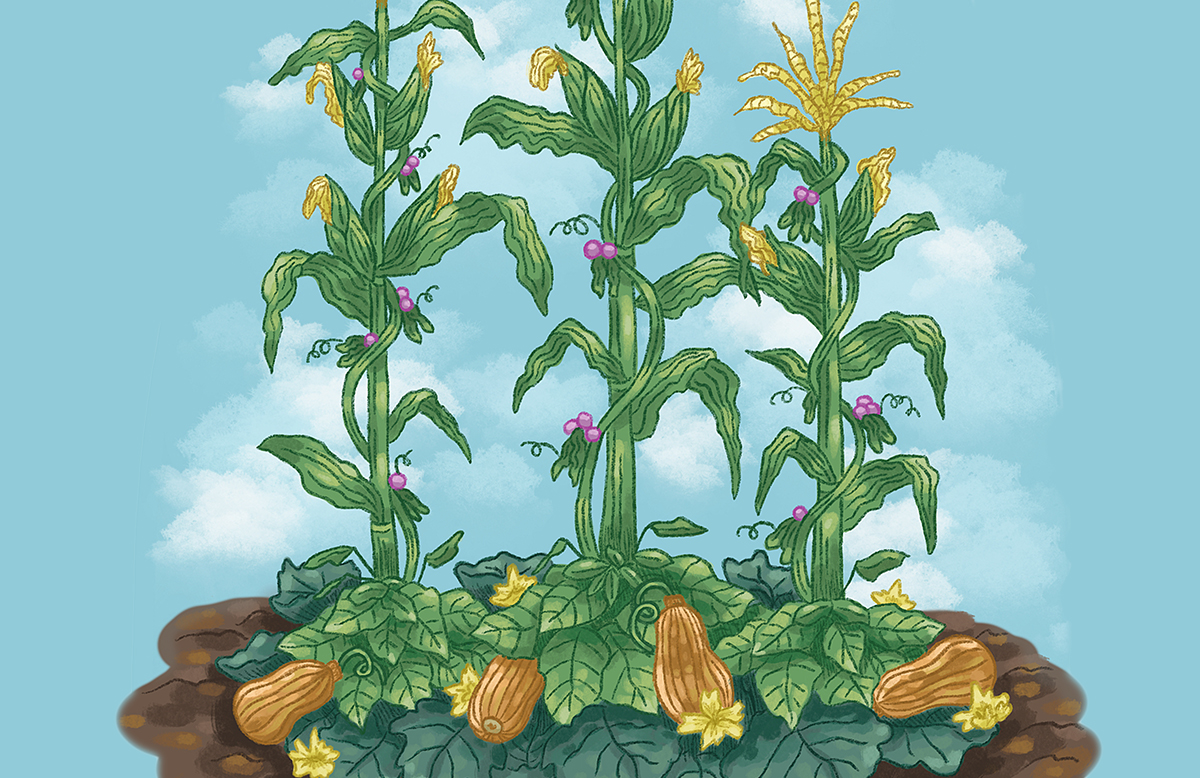
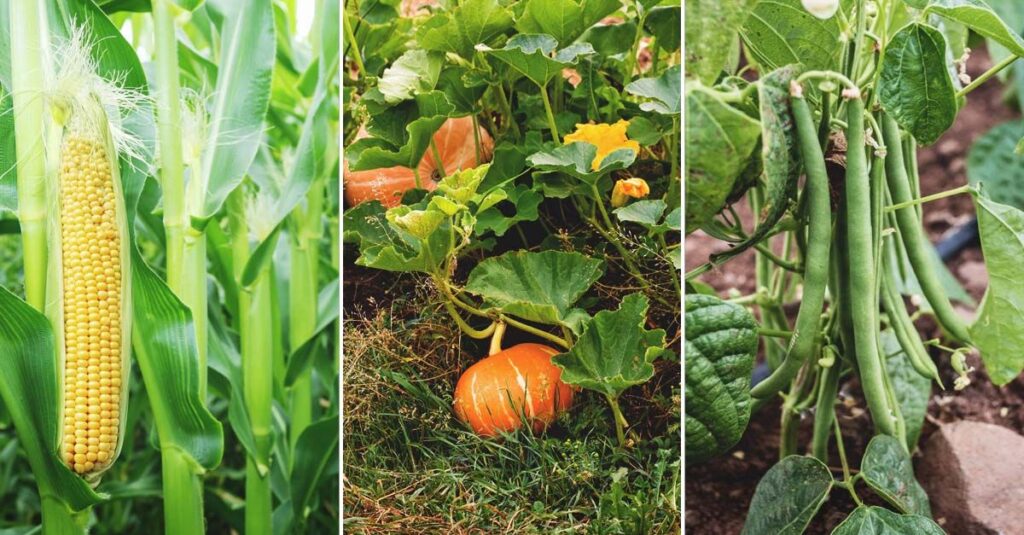
Answer: The Three Sisters is an ancient agricultural practice rooted in Indigenous traditions of North America. It celebrates the symbiotic relationship among three staple crops: corn, beans, and squash. This method not only maximizes space and productivity in the garden, but also enriches the soil and was historically grown to provide a balanced diet. Together, these crops formulate a self-sufficient ecosystem that thrives despite limited resources. If you’re interested in sustainable agriculture, here’s a comprehensive guide on how to plant and cultivate your own Three Sisters garden.
Before diving into planting, it’s essential to recognize the unique relationship between the three crops:
- Corn (Zea mays): The towering corn stalk provides a natural trellis for the beans to climb, utilizing vertical space while maximizing sunlight for all three plants. Any variety of corn will do, but be sure it will be ready for harvest before your first autumn frost date.
- Beans (Phaseolus vulgaris): Beans are excellent for fixing nitrogen in the soil. Their climbing vines also wrap around the corn stalks, helping to support one another.
- Squash (Cucurbita): The broad leaves of squash plants create a living mulch which helps suppress weeds and blocks sunlight, in turn retaining moisture in the soil. Squash also anchors the soil and prevents erosion. Feel free to plant gourds, pumpkins or any other winter squash variety.
To prepare your garden, choose a sunny spot with good drainage. Corn, beans, and squash all need plenty of sunlight—aim for at least six hours of direct sunlight each day. Test your soil to ensure it is rich in organic matter and well-draining. If needed, you can amend your soil with compost or well-rotted manure to boost nutrients and improve structure. Traditional Three Sisters planting often involves creating mounds or “hills.” Prepare hills about 2 feet apart with a diameter of about 1 foot. The height of the mound should be about 12 inches. Planting in mounds improves drainage and warms the soil faster, so you can get full size ears of corn before the season ends. The best time to plant is after the last frost date in your area, typically this is in late April in Douglas County. Soil temperatures should be warm enough for corn and squash to thrive – around 60 degrees Fahrenheit.
Start by planting the corn. Place four to six seeds in the center of each mound, spacing them evenly. Corn seeds should be planted about 1-2 inches deep. After your corn has reached about 6 inches in height, sow bean seeds around the base of the corn plants. Plant about four bean seeds in a circular pattern around the mound, ensuring they are close enough to climb the corn, but not so close that they compete for resources. After the beans have sprouted, plant two squash seeds at the outer edges of each mound. The squash will spread out and cover the ground, balancing the growth of the other two “sisters” while preventing weeds from sprouting.
Regular watering is essential, especially during dry spells. Aim to maintain consistent moisture, particularly during flowering and pod-setting stages. However, you also want to avoid over watering as this can cause the roots to rot. After planting, applying mulch can help retain soil moisture, suppress weeds, and provide nutrients as it breaks down. Straw, grass clippings (that haven’t been sprayed), or shredded leaves work well as mulch. Monitor the growth of the beans, ensuring they climb the corn stalks properly. If necessary, use stakes or trellises for additional support. Harvest times will vary based on the variety and the weather, but generally they will all be ready for picking mid to late summer.
Planting the Three Sisters not only showcases the remarkable power of companion planting, but it is also a great way to grow nutritious food in nearly any garden. By adopting the Three Sisters system, you can cultivate an appreciation for the land and the deep-rooted wisdom of those who came before us.
Do you have a gardening or insect question? Contact the Douglas County Master Gardeners at douglasmg@oregonstate.edu or 541-672-4461 or visit 1134 SE Douglas Ave., Roseburg. Douglas County Master Gardeners are trained volunteers who help the OSU Extension Service serve the people of Douglas County.