


Published in the News-Review January 9, 2026
By: Mackenzi Hall
“Growing Your Own Herbal Tea Garden”
Question: During the cold winter months I drink a lot of herbal tea. It got me thinking – am I
able to grow and dry my own herbal tea blends? What steps would I take to create my own
herbal tea garden?
Answer: It might be hard to imagine this time of year, but there’s something deeply satisfying
about stepping into your garden, harvesting fresh herbs, and brewing a cup of tea from the plants you’ve grown yourself. Growing an herbal tea garden is not only a rewarding hobby, but also an excellent way to enjoy fresh, organic beverages at home. The beauty is it really doesn’t matter how much space you have in your backyard; you can easily use a sunny windowsill, a back patio or, if you’re feeling extra ambitious, you can build an herb spiral. By taking the time to cultivate a thriving collection of tea herbs during the growing season, you can enjoy delicious brews all winter long.
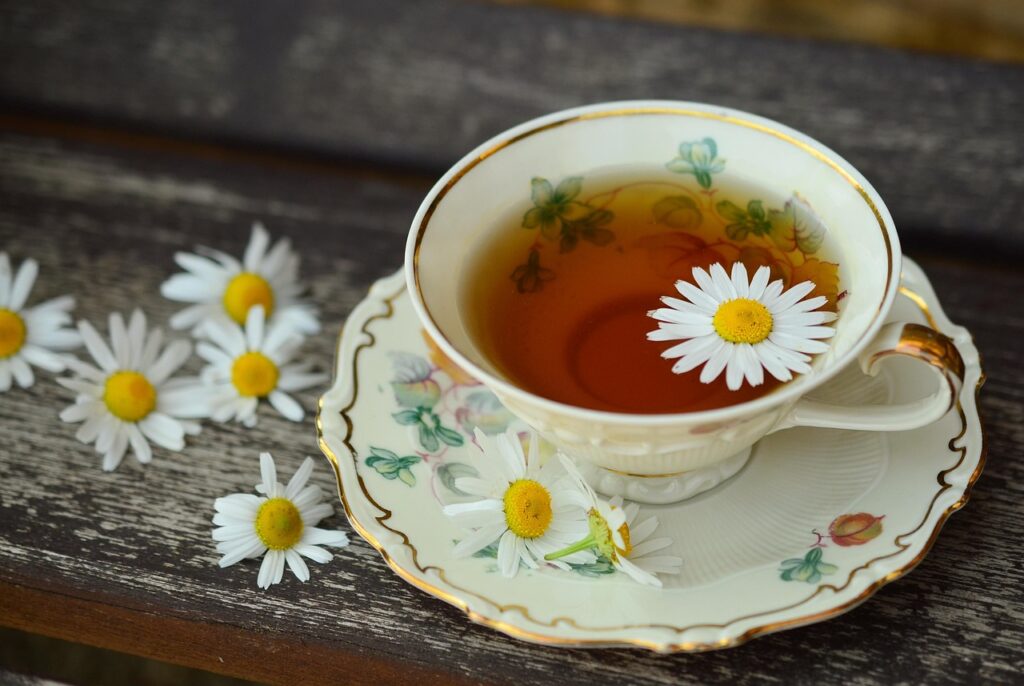
The first step in creating your herbal tea garden is selecting which plants you want in your blends. Fortunately, many popular tea herbs are incredibly easy to grow – even for novice gardeners. Mint varieties, including peppermint and spearmint, are vigorous growers that thrive in our area. Lemon balm, also in the mint family, offers a citrusy flavor, is known for its stress relieving properties, and grows prolifically once established. Chamomile produces delicate, apple-scented flowers perfect for calming evening teas. Other fun choices include lavender for floral notes, holy basil for its adaptogenic properties, and catnip, which makes a mildly minty tea.
As with any plant, you’ll want to consider your climate and growing space when making selections. Most herbs prefer full sun and well-draining soil, but some, like mint and lemon balm, tolerate partial shade. If you’re working with limited space, focus on compact herbs or those that do well in containers.
Tea herbs can be grown in traditional garden beds, raised beds, or containers. Container gardening is particularly great for aggressive spreaders like those in the mint family, which can quickly take over your garden if left unchecked. Be sure to use pots that are at least 12 inches deep with adequate drainage holes and always choose a high-quality potting mix enriched with compost.
If planting in the ground, prepare your soil by working in organic matter to improve drainage and fertility. Group plants with similar water and sunlight needs together. Consider creating a dedicated tea garden area where you can easily access your herbs. Most herbs will produce more the more often you harvest.
You can choose to start your herbal tea garden from seeds, seedlings, or established plants. Seeds are the most economical option and work well for chamomile, catnip, and many others. Start them indoors 6-8 weeks before your last frost date (typically around May 1st), or direct sow after the danger of frost has passed. Purchasing young plants from local nurseries gives you a head start and is ideal for perennials like lavender and mint that take much longer to establish from seed.
When transplanting, space plants according to their mature size. Herbs need room for air circulation to prevent fungal diseases. Water thoroughly after planting and maintain consistent moisture until plants are established.
Most tea herbs are relatively low-maintenance once established. Water them regularly, especially during dry spells, but avoid overwatering which can lead to root rot. A layer of organic mulch is really important to help retain moisture and suppress weeds. Herbs grown in nutrient-rich soil typically don’t need much supplemental feeding. Over-fertilizing can actually cause diminished flavor. A light application of compost in the spring is usually plenty.
Throughout the summer, make sure you prune your plants regularly. This will encourage bushy growth and prevent flowering in herbs like mint and basil. Flowering tells the plant to stop leaf production. This, of course, doesn’t apply to herbs like chamomile and lavender as their blossoms are the desired tea ingredient.
Harvest your herbs in the morning before the intense summer sun dries them out. For leafy herbs, cut stems back by about one-third, taking care not to over-harvest because some leaves are necessary for photosynthesis. For flowering herbs like chamomile, pick the blooms when they’re fully open.
Fresh herbs can be used immediately for tea, but drying preserves your harvest for the winter. You can tie small bundles and hang them upside down in a dry place or use a food dehydrator on low heat. Once completely dry and crispy, strip leaves or flowers from stems and store in airtight containers away from light and heat.
Growing your own herbal tea garden transforms a simple daily ritual into a fun and meaningful experience. With minimal effort and space, you can experiment with different herbs to create fun tea combinations and you can cultivate a garden that provides beauty and satisfaction cup after cup.
Do you have a gardening or insect question? Contact the Douglas County Master Gardeners at douglasmg@oregonstate.edu or 541-672-4461 or visit 1134 SE Douglas Ave., Roseburg. Douglas County Master Gardeners are trained volunteers who help the OSU Extension Service serve the people of Douglas County.