


Published in the News-Review January 16, 2026
By:Julie Burchstead
Garden Torches
Question: The rain and the warmish weather are causing a proliferation of weeds on my garden path, the seams of my driveway, and cracks in the sidewalk. It is no fun weeding on cold chilly days. What do you recommend?
Answer: Consider a weed burner or garden torch. They are a great alternative to both hand weeding and the unnecessary use of chemicals. Garden torches come in many styles and sizes. Many are very lightweight – perfect tools for keeping ahead of weeds in damp weather.
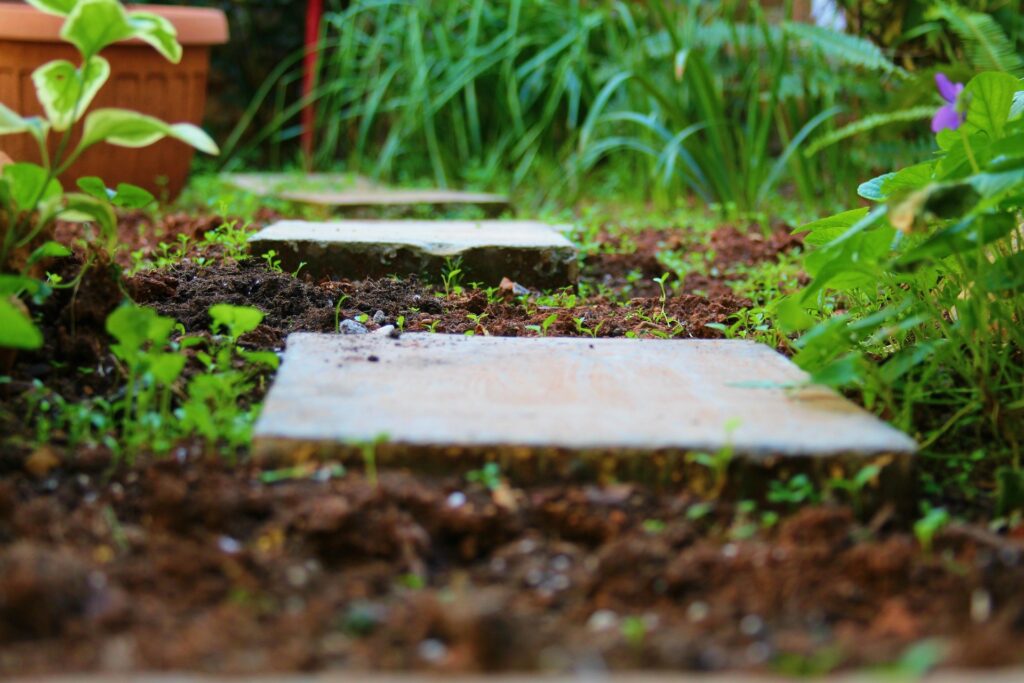
Weeds don’t seem to ever take a holiday and our wet and often unseasonably warmer winters just seem to encourage them more. My paths are greening too, especially with bittercress, a prolific scourge that if left to mature and seed, compounds my problem. Even my lawn is still growing and sprouting weeds that an occasional mowing can’t keep up with, the soggy ground making mowing more difficult.
No one likes to weed in winter, particularly paths, where tiny plants take hold requiring getting down on the cold wet ground to remove them. By the time warmer weather arrives, the weeds will have taken over and the job becomes overwhelming. As experience shows, pollinators and beneficial insects are more sensitive to the use of chemicals (like glyphosate in Round-up) than first realized, chemical options are a fraught choice. We don’t think of beneficial insects being active in winter, but just yesterday, a honeybee, drawn out by recent warm sunshine, buzzed my car window. So what to do about the weeds? This is the season where handheld propane torch burners shine. They are effective where they are pointed and there is no worry about chemical drift, run-off, or lingering.
Torch burners are perfect for winter, early spring, and fall when ground moisture ensures there is no fire danger. Torch flame can be applied as easily to patches of weeds along a path or to spot target a single weed in a lawn. Small weeds usually shrivel immediately, whereas a larger dandelion may need a few seconds more application and take a few days to whither.
Propane torches come in many sizes and styles – from small cane hand-helds that plug into small blue propane canisters, to larger versions for home gardeners, to systems for commercial or agriculture applications.
I started with a cane style hand-held. It was light, easy to start, with a small flame making it easy to direct for spot treatments (though a little more work for weed patches). The single use propane canisters are inexpensive and easy to come by. However, though I have a small yard, I think this style is better suited for light use. After about 15-20 minutes, mine got warm and would turn itself off. The starter failed after a year, and the single use canisters create unnecessary waste and are difficult to properly dispose of.
This season I upgraded to a larger home garden system. It has a heavier duty starter. The flame is larger, but comes with a directional cone. It is compatible with refillable propane tanks of a variety of sizes. This makes it a little more unwieldy to use, but I bought a wheeled cart to carry the tank. It is a more expensive set-up, but I think in the long run, it will last longer, eliminate the frustration caused by having to wait for the torch to cool down so frequently, and cause less waste.
With a little research, you can find torch burners appropriate for a variety of budgets and gardening situations. Having the right tools makes lighter work for many gardening chores.
Gardens are inherently places of hope, even in the darkest depths of winter. As you are out there being proactive about weeds, look for winter signs of hope. Heather and hellebore are blooming now. So even if our oddly warm days are enticing bees from their slumber, there are at least a few nectar sources for them to find. If you don’t have these in your yard yet, you can likely find them now in local gardening centers.
Do you have a gardening or insect question? Contact the Douglas County Master Gardeners at douglasmg@oregonstate.edu or 541-672-4461 or visit 1134 SE Douglas Ave., Roseburg. Douglas County Master Gardeners are trained volunteers who help the OSU Extension Service serve the people of Douglas County.