

Published in the News-Review December 5, 2025
By: Mackenzi Hall
“Beneficial Fungi and Their Role in Your Garden”
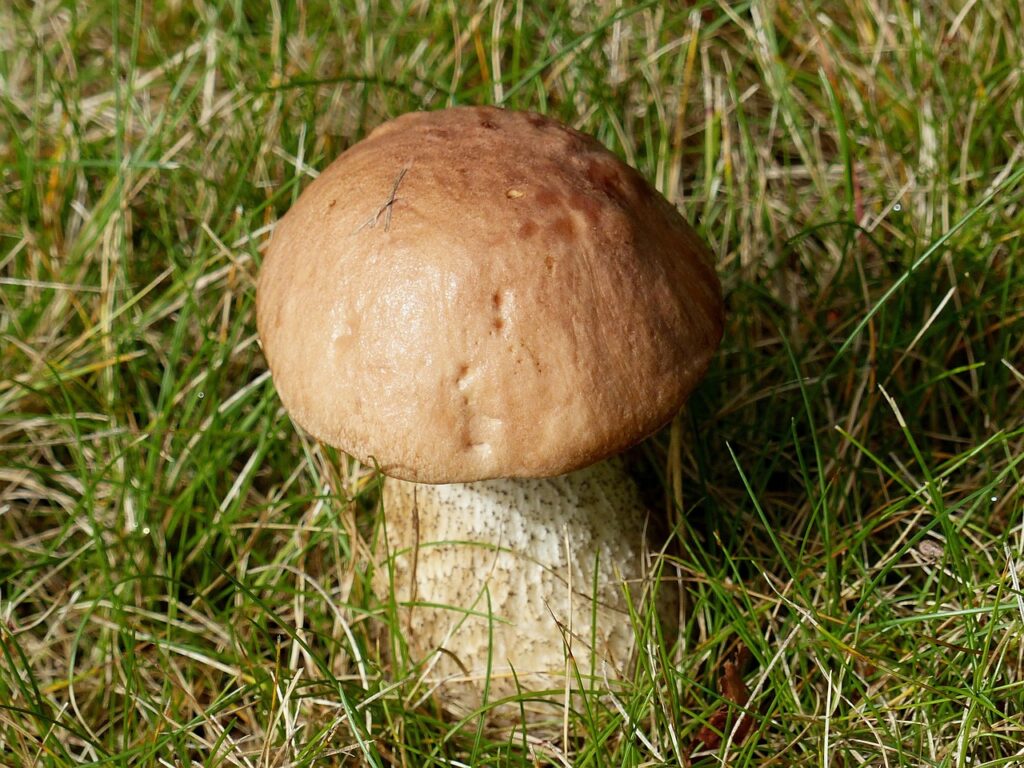
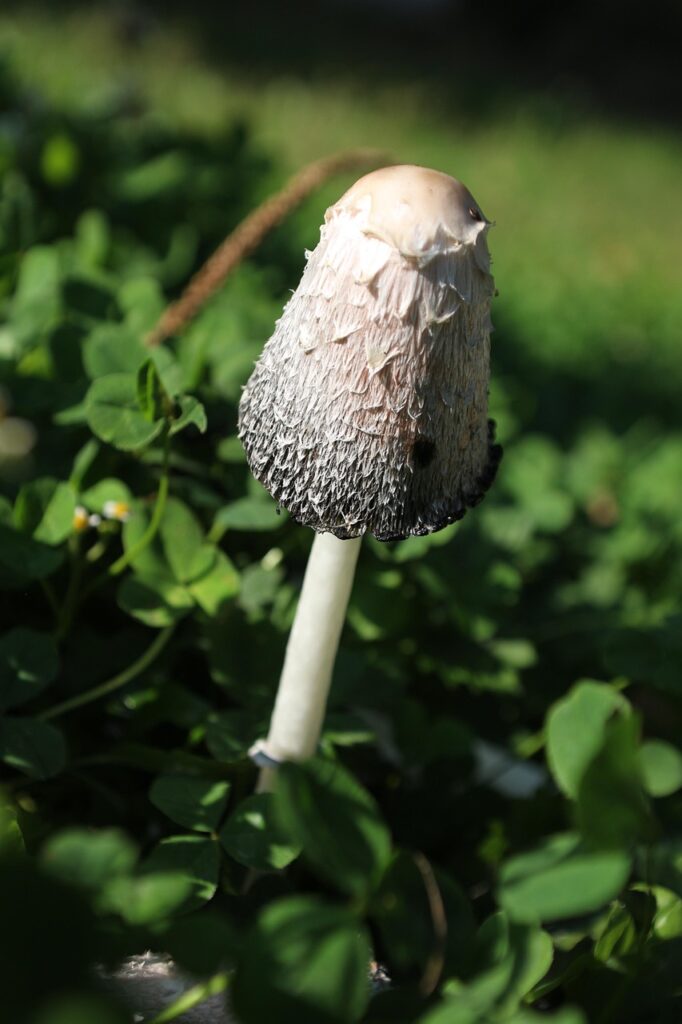
Question: I see a lot of mushrooms popping up all over my yard. Are they a good thing to have or are they harmful?
Answer: This time of year, when the air is moist and the daytime temperatures are well above freezing, people will find an influx of fungi growth in their garden. Beneficial fungi, which are often misunderstood and under appreciated, play a crucial role in the health and productivity of gardens worldwide. These tiny allies are not only important for soil health, but they also help plants thrive, keep disease at bay, and can even improve crop yields.
Fungi are a large, diverse group of organisms that can include mushrooms and molds. Along with their beautiful colors and unique shapes, they are manning an unseen revolution beneath the surface. In gardens, the most beneficial are soil-dwelling fungi, particularly mycorrhizal fungi. These form symbiotic relationships with plant roots, wrapping them in a microscopic web called mycelium. Instead of harming the plant host, these fungi provide essential nutrients in exchange for simple sugars produced by the plants through photosynthesis.
One of the most significant benefits of fungi in the garden is their ability to improve soil structure and fertility. The mycelium binds soil particles together, increasing aeration and water retention. This is particularly helpful in the sandy and compacted soils we have in Douglas County.
Fungi also play a vital role in breaking down organic matter, such as fallen leaves and mulch. As decomposers, they transform dead plant material into humus, enriching the soil with nutrients and providing a thriving ecosystem for beneficial insects. There is no better time than now to use that leaf litter to your advantage!
It is important to know that not all fungi are good. Some cause plant diseases like powdery mildew or root rot. However, certain beneficial fungi are able to outcompete these disease-causing microbes and create protective barriers around roots.
Have you noticed the increase in fungal-focused products on store shelves? As scientific understanding grows, gardeners are turning more and more to mushroom fertilizers. These products contain beneficial spores which enhance disease resistance and reduce the need for
chemical pesticides.
Cultivating a fungal-friendly garden is easier than you might think. Here are a few tips to
get them growing in your space:
1. Avoid over-tilling: Digging disrupts delicate mycelial networks.
2. Use organic mulches: Leaf litter, wood chips, and compost feed beneficial fungi.
3. Limit chemical use: Pesticides and fungicides harm beneficial organisms.
4. Try fungal inoculants – especially when establishing new beds. These can be found at
your local gardening supply store.
For vegetable and flower gardeners alike, the presence of beneficial fungi can indicate healthier, more productive plants. Studies show that crops grown in fungal-rich soils often bring about more fruit and flowers, require less fertilizer, and can tolerate environmental stresses better than those in depleted soils. By fostering the right fungal communities, gardeners can create self-sustaining systems that thrive year after year.
Do you have a gardening or insect question? Contact the Douglas County Master Gardeners at douglasmg@oregonstate.edu or 541-672-4461 or visit 1134 SE Douglas Ave., Roseburg. Douglas County Master Gardeners are trained volunteers who help the OSU Extension Service serve the people of Douglas County.