
Ask A Master Gardener article
By: Mackenzi Hall
“Three Signs You Need to Amend or Replace Your Garden Soil”
Question: I am getting ready to plant my garden in raised beds and I was wondering if I need to
replace last year’s used soil before starting again?
Answer: Spring is upon us! It is the season of fresh starts, both literally and metaphorically. For
gardeners, spring means lots of time (and money) dedicated to tending to new sprouts and the last thing we want is for those sprouts to fail because of poor soil health. There is hope, however. Typically, a garden bed will simply need amending before the growing season. Here are three tell-tale signs that your soil could use some help so that you can ensure the best possible outcome come harvest time.
- Leaves Turning Yellow
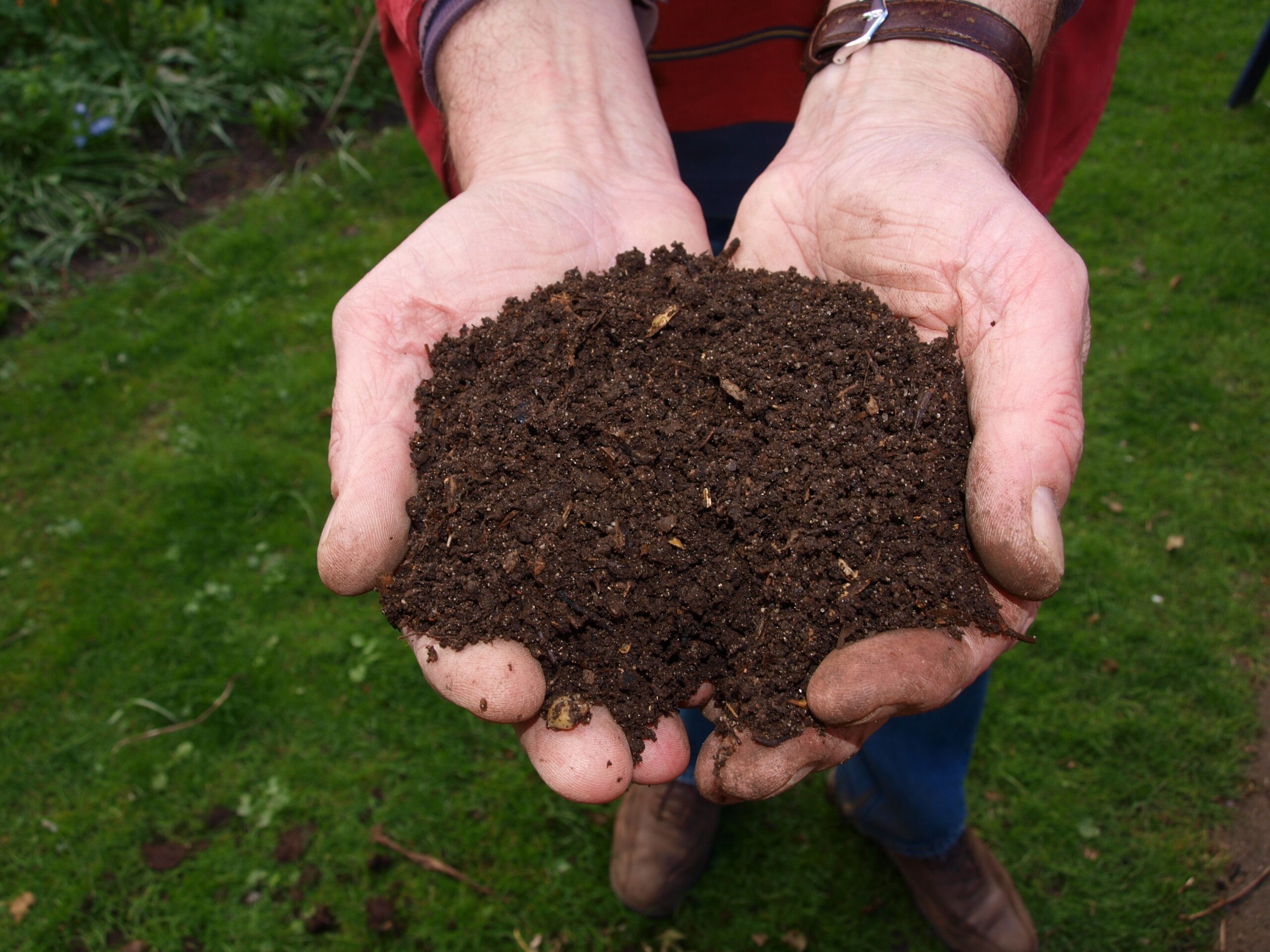
Your plants don’t lie. If the leaves are turning yellow despite adequate water and sunlight, then it is time to look into what is happening beneath the soil. Yellowing leaves, or chlorosis, can signal a nitrogen deficiency. This is a fairly common problem to have in garden beds as last year’s veggies most likely used up all available nutrients. The best way to mitigate this problem is to add lots of organic matter (compost) to your soil before planting. There are also a plethora of organic nitrogen fixers to be found at your local garden supply stores.
- Stunted Growth
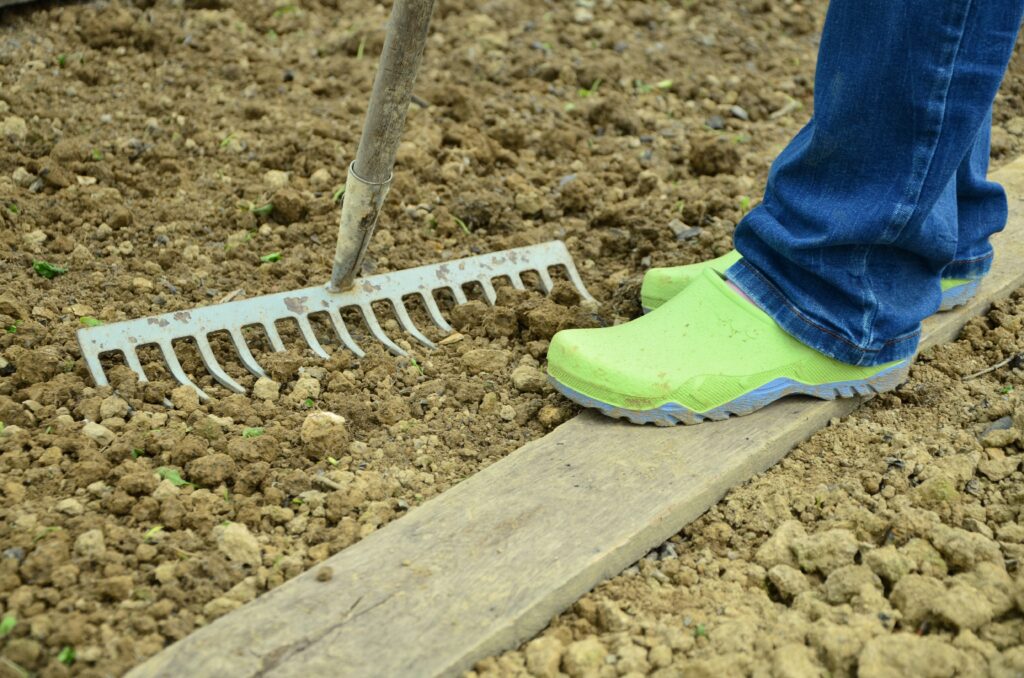
Healthy soil should feel loose, soft, and easy to work with your hands. If yours has turned into a dense mass over the winter and doesn’t absorb water easily, it has become compacted and will suffocate your plants’ roots. When water pools on the surface instead of soaking in, and roots struggle to grow deep enough to create an anchor, your plants will simply stop growing. The solution is, once again, to mix in plenty of organic compost in an effort to break up the soil and aid in aeration.
- Wilting and Mold Growth
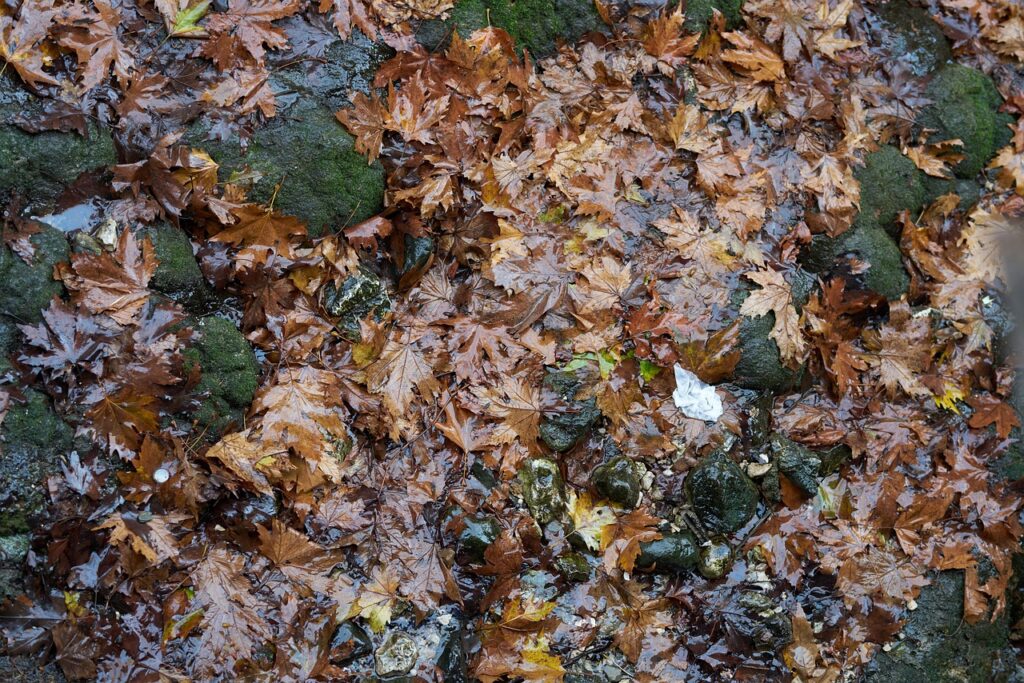
If your soil is constantly wet despite watering less often and shows signs of green or white cottony mold growth, then you are facing a water drainage issue. Poor water drainage can lead to root rot and anaerobic conditions which ultimately leads to the death of your plants. I’m sure by now you can guess the solution – add organic matter! This could be from your compost bin, well-rotted manure, and/or leaf mulch. You can also use a garden fork to create holes for drainage, however, once there are signs of mold growth, this can unfortunately signal a need for
better drainage beneath the bed forcing you to remove and replace the soil.
Ultimately, if you’ve tried the above steps and don’t see much success, replacing your soil doesn’t have to be an overwhelming task. For containers and raised beds, simply remove the old soil, clean the vessel, and refill with a high-quality soil blended with compost. If your garden is in-ground, you can find soil amendments that improve drainage, moisture retention, and nutrient levels.
It is often mistaken that your garden beds need to be emptied year after year, but that is not the case. Amending your existing soil can be a practical and cost-effective alternative. The key is to amend with purpose. Not only can you make a huge impact by simply adding broken down yard debris and composted kitchen scraps, but you can also make a huge impact on your wallet!
Do you have a gardening or insect question? Contact the Douglas County Master Gardeners at douglasmg@oregonstate.edu or 541-672-4461 or visit 1134 SE Douglas Ave., Roseburg. Douglas County Master Gardeners are trained volunteers who help the OSU Extension Service serve the people of Douglas County.