
Published in the News-Review April 17, 2026
By: Bonnie Courter
Question: I like to cook and try new recipes. Having access to fresh herbs is something I would love to have. But I don’t have much outdoor garden space to grow them. I do have a bay window in my kitchen that gets good sunlight throughout the day where I could have some windowsill herbs. Can you give me some advice how to grow herbs indoors?
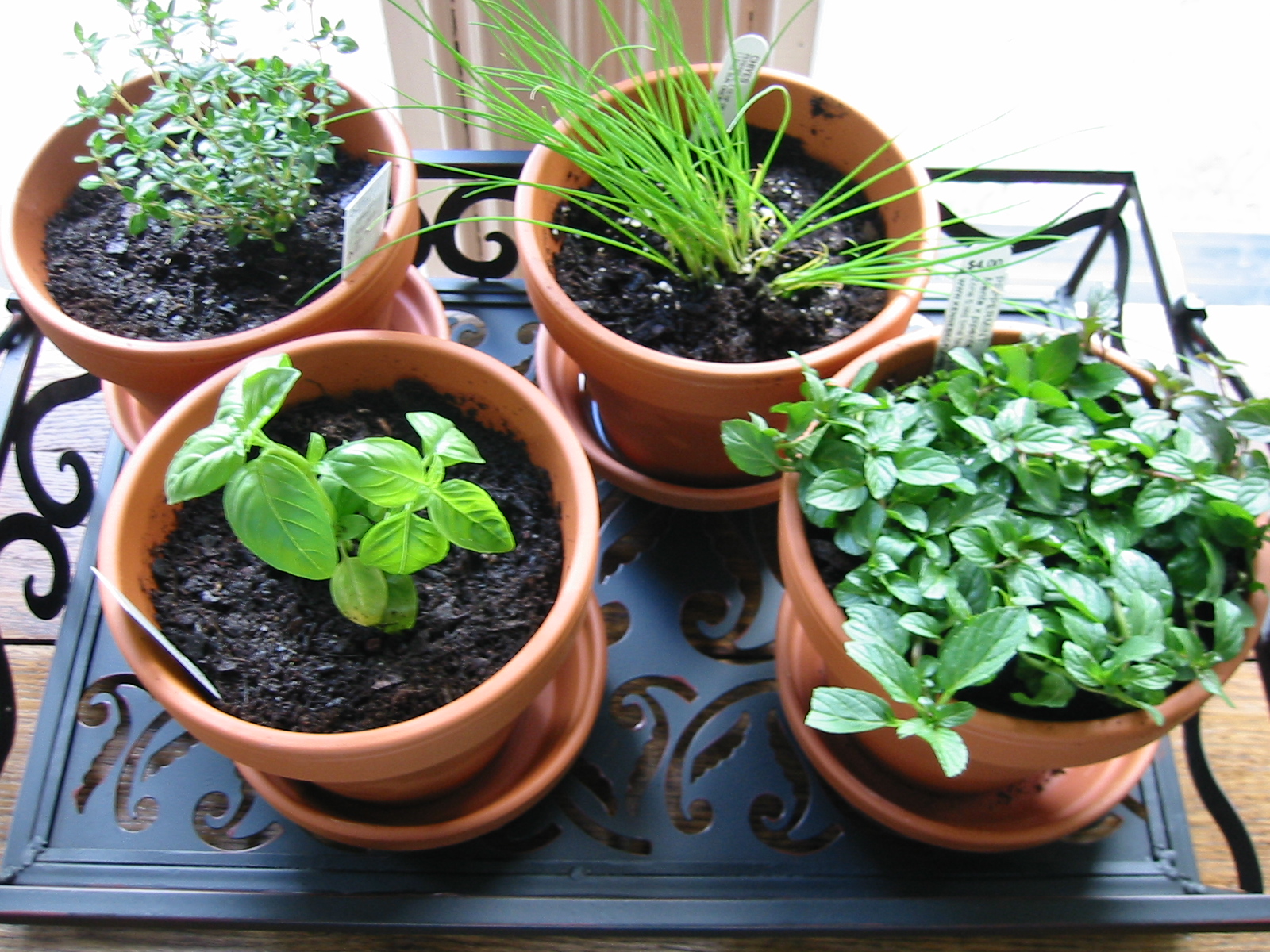
Answer: Growing herbs indoors is easy and beneficial. Culinary herbs that are pre-cut and in those plastic clamshells in the grocery stores are rather expensive. A windowsill garden of fresh herbs provides convenience as well as the satisfaction that you know where your herbs come from and that you didn’t have to break the grocery budget to purchase them. It’s nice to just snip some chives to add to your baked potato or cilantro to spice up your salsa, knowing their flavor is as fresh as it gets.
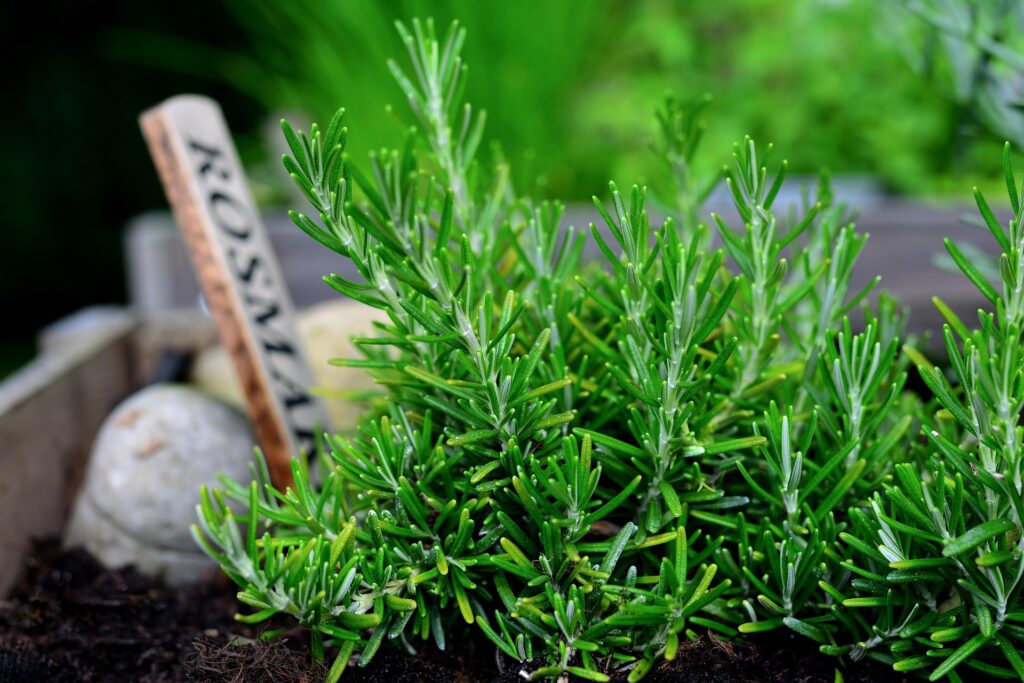
You should select herbs that you already love and use. It’s recommended that you purchase plant starts instead of starting from seeds which can be a slow process. The most common herbs suitable for indoors include basil, chives, oregano, cilantro, parsley and thyme, but you can experiment with others. Some herbs tend to quickly become too large for this purpose such as mint, dill, lemon balm and fennel. Rosemary can be in a smaller pot, but will eventually need to be repotted or moved outside. Avoid herbs with large root systems such as horseradish, fennel and lovage.
Herbs are classified as annuals, biennials or perennials, and it’s important to know the difference. Annuals such as anise, basil, and cilantro grow for one season before dying. Biennials such as caraway and parsley will live for two seasons, blooming the second season. Perennials will overwinter and bloom each season once established. Examples would be chives, rosemary, tarragon and thyme.
A south-facing window is ideal for providing enough sunlight during the day for your herbs which need at least 6 hours of direct sunlight. Rotate your pots often so each side gets enough light for uniform growth. Keep herbs in rooms with temperatures of at least 65-70 degrees during the day and 55-60 at night. They need a good balance between humidity and air circulation. Increase humidity by setting containers in a pan of moist pebbles or near a humidifier. Air circulation in the warm summer months can be improved by slightly opening the window during the day.
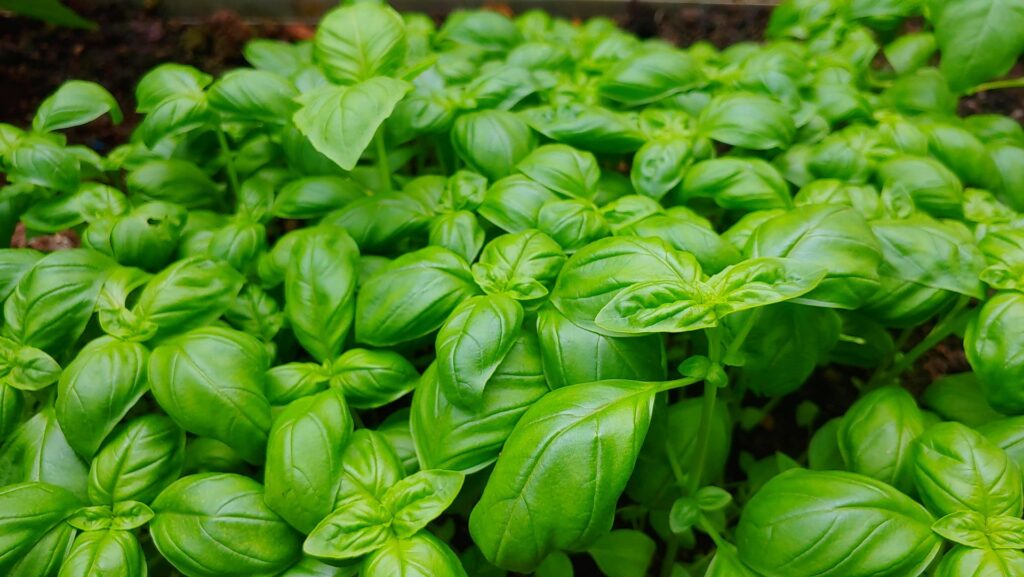
Herbs should be potted in containers with a drainage hole, using a well-draining potting mix. Water the potting mix when it starts to dry out. Basil, however, should not be allowed to dry out completely. Stick your finger in the soil up to the second knuckle, and if it comes out dry, it’s time to water. Let the water run through and drain completely. Herbs won’t tolerate sitting in water or their roots will rot. Fertilize with a low dose of water-soluble fertilizer every 2 weeks during the growing season. Be cautious, however, with fertilizer as over-fertilizing will negatively affect the herb’s aroma and flavor.
Pests can be controlled by using cultural and mechanical methods such as yellow sticky traps placed near infested plants to catch flying insects like aphids and white flies.
If roots begin to grow through the drainage hole, it’s time to repot your herbs, though the best time for this is early spring. Perennial herbs can be repotted several times to accommodate new growth.
When it’s ready for harvesting, clip off what you need, but no more than a third of the herb at a time. Harvesting before they start to flower and deadheading flowers as they appear will result in the continued production of new leaf growth suitable for harvest. Always wash off your herbs before using them in a recipe or eating them fresh.
There’s nothing like enjoying fresh pesto made from basil growing right there in your kitchen window.
Do you have a gardening or insect question? Contact the Douglas County Master Gardeners at douglasmg@oregonstate.edu or 541-672-4461 or visit 1134 SE Douglas Ave., Roseburg. Douglas County Master Gardeners are trained volunteers who help the OSU Extension Service serve the people of Douglas County.