
Published in the News-Review July 18, 2025
By: Mackenzi Hall
The Fascinating World of Bonsai
Question: Bonsai trees have always fascinated me, however, they also look very intimidating to grow. Do you have any tips on how to properly choose and care for these unique little trees?
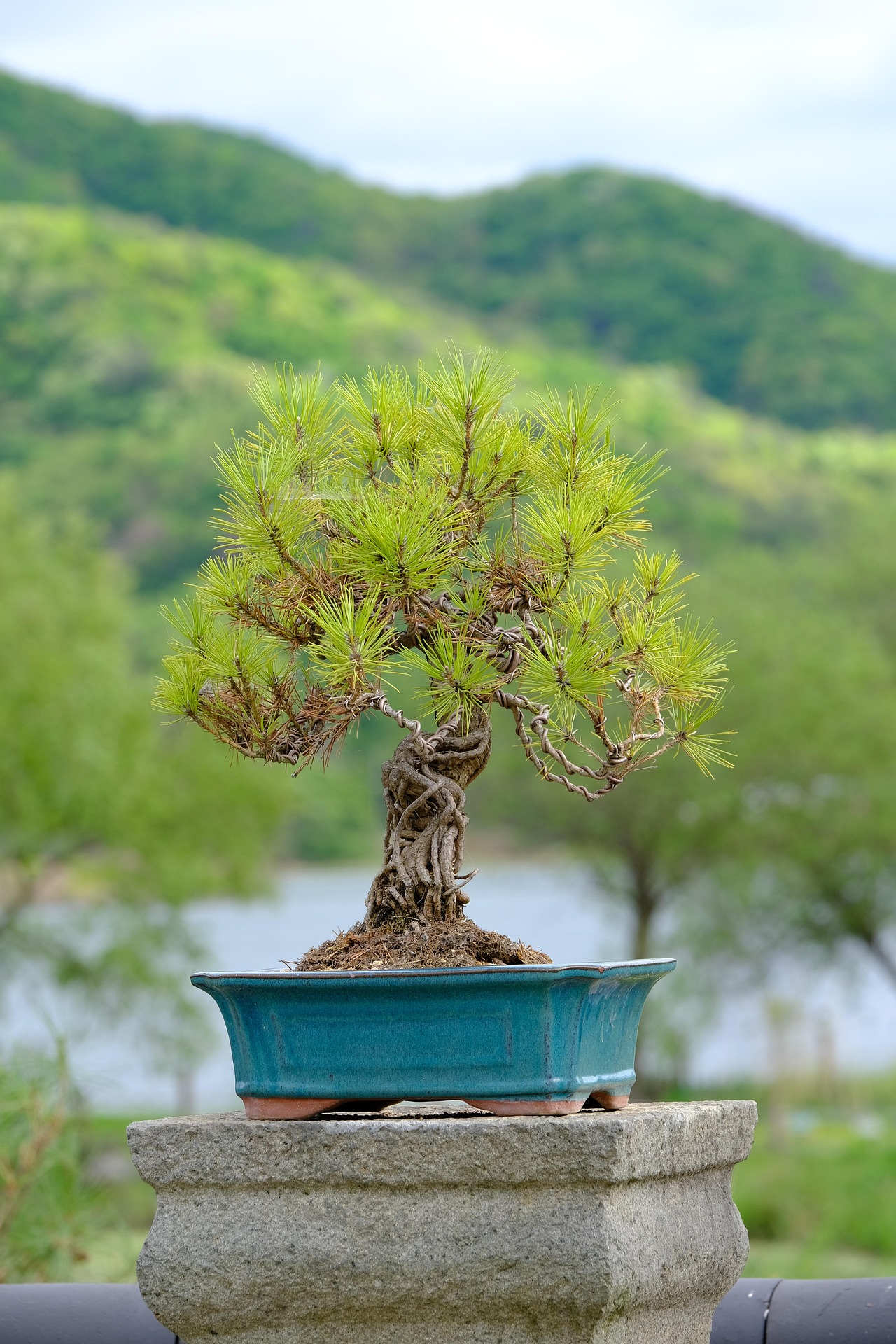
Answer: Bonsai trees are more than just plants – they are living pieces of art that showcase patience and a deep appreciation for nature. Originating in ancient China, the practice later spread to Japan where it was then refined and turned into more of what we see today. These miniature trees, often housed in small, shallow pots, convey the beauty of nature in compact form. Whether you’re an experienced gardener or just beginning, growing bonsai can be a rewarding experience. Here are some tips to help you cultivate your own miniature marvel.
When it comes to growing bonsai trees, there are several critical factors to consider to ensure success. To begin, you need to select the right bonsai species. Different trees have varying requirements in terms of light, water, and temperature. Some popular bonsai varieties for beginners include the Ficus, Juniper, and Chinese Elm. These species are popular because they are resilient and adaptable making them excellent choices for novices. As you gain experience, you can explore more challenging species that require more specific care.
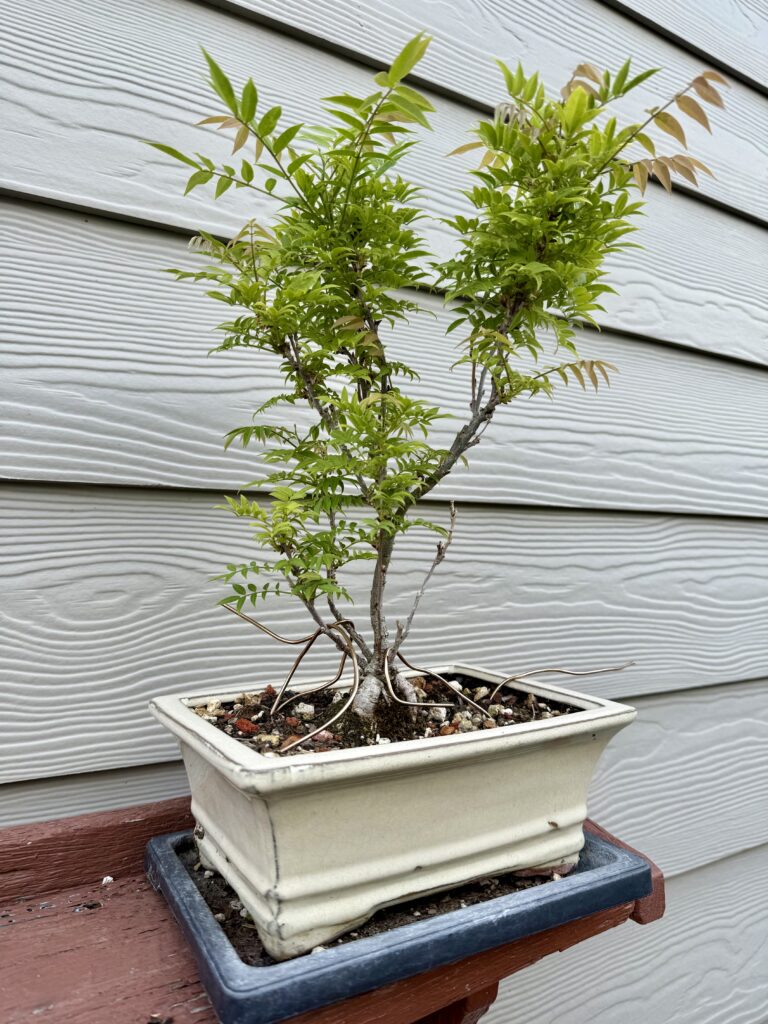
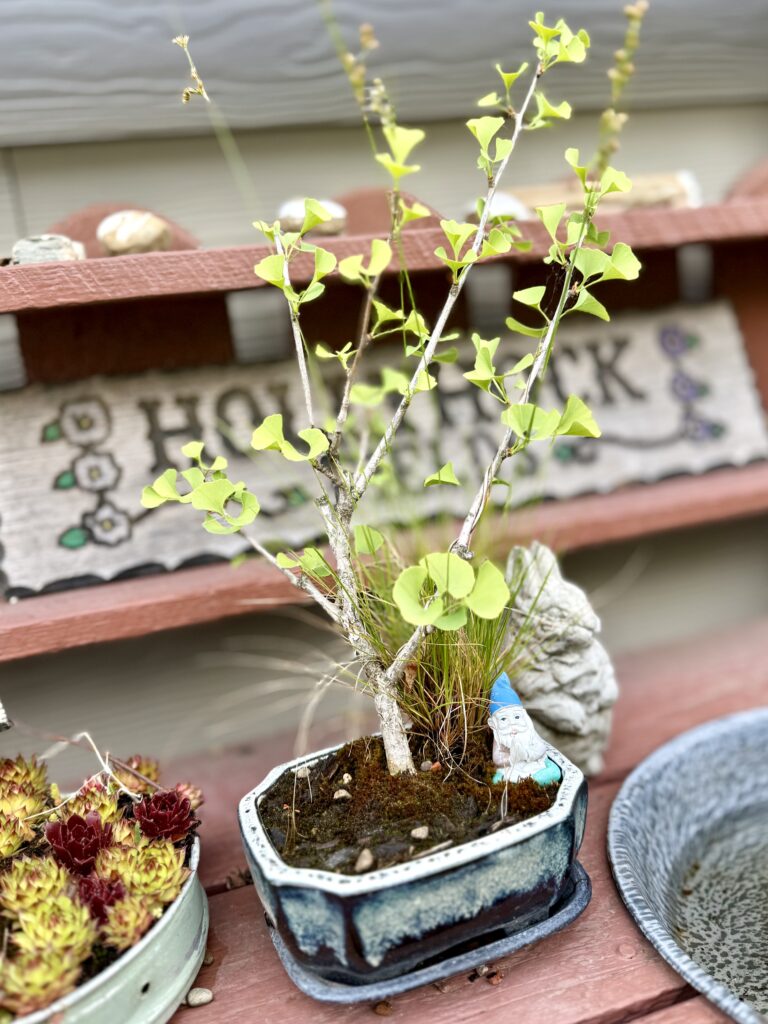
A bonsai tree’s pot plays a crucial role in its health and growth. When potting your bonsai, choose a container that allows for adequate drainage while still being aesthetically pleasing. It’s essential to use a well-draining soil mix specifically formulated for bonsai. You can purchase pre-made mixes at your local gardening store or nursery.
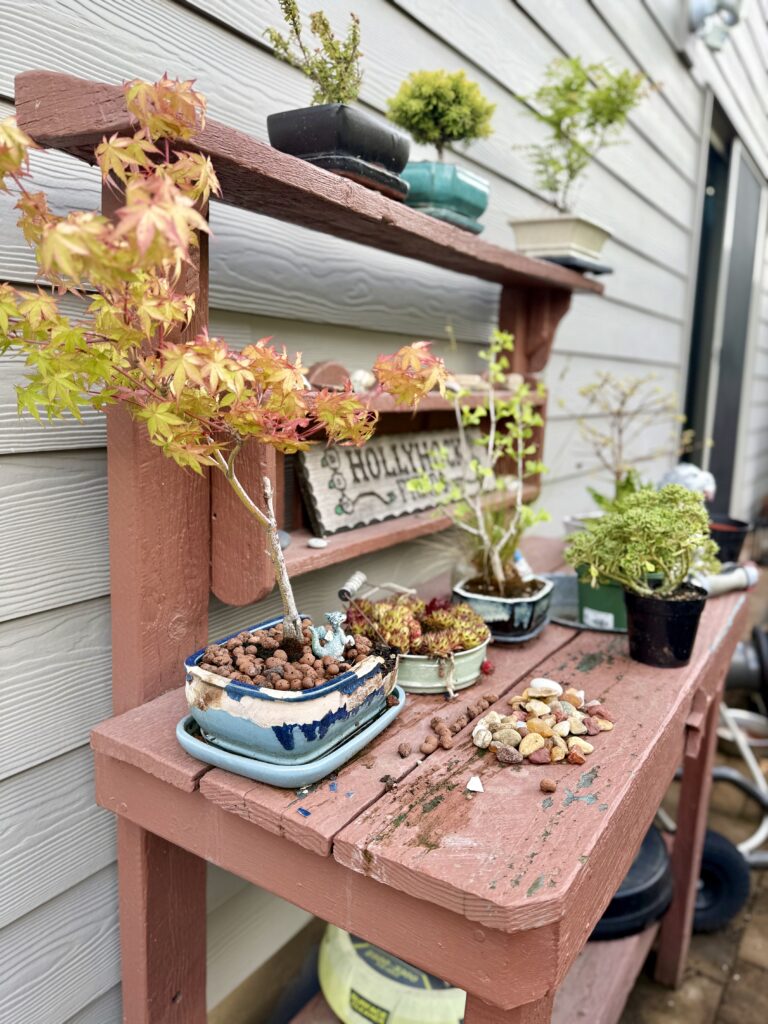
Placing your freshly potted bonsai in a place that receives 4-6 hours of bright, indirect light will ensure optimal growth. Each species will have specific lighting needs, with some trees requiring lower light conditions, so it is important to do your research. If you choose to grow your bonsai indoors, you will most likely need a grow light to mimic the sunlight outdoors.
Bonsai trees have unique watering needs. While they generally prefer to be kept slightly moist, the frequency of watering can vary depending on the species, pot size, climate, and time of year. It’s important to water thoroughly until the water seeps out of the drainage holes. Be careful to avoid overwatering as this can lead to root rot, however, you will also want to be sure not to underwater because this will cause the leaves to drop. A general rule of thumb is to water when the surface of the soil feels dry to the touch.
Pruning will help to maintain the tree’s unique shape and promote growth. Regularly trimming new growth encourages a more bush-like shape and maintains your tree’s desired size. Wiring branches can also be used to shape the tree, but this technique requires a careful approach to avoid damaging the bark or harming the branches. The exciting art of bonsai is to create a miniature tree that mimics their full size counterpart.
Bonsai trees require regular feeding to thrive since they are confined to limited soil and nutrients. Use a balanced fertilizer every few weeks during the growing season (spring and summer) to provide the essential nutrients your tree needs. As temperatures cool in the fall, reduce the frequency of feeding to allow the tree to prepare for dormancy.
Perhaps the most important lesson you can learn in bonsai cultivation is to embrace patience. These trees can take years to develop their characteristic shapes and the process requires commitment. As you watch your tree mature, you’ll come to appreciate the beauty of the journey, learning from the unique challenges each tree presents.
In conclusion, bonsai trees are fascinating living sculptures that invite you to explore nature’s beauty within the confines of your own home or garden. By understanding the needs of your bonsai and committing to its care, you can create a stunning centerpiece that brings joy and tranquility into your life. It’s no wonder these tiny trees have captivated people around the world! With patience and practice, you’ll grow more than just a plant — you will cultivate a piece of art!
Do you have a gardening or insect question? Contact the Douglas County Master Gardeners at douglasmg@oregonstate.edu or 541-672-4461 or visit 1134 SE Douglas Ave., Roseburg. Douglas County Master Gardeners are trained volunteers who help the OSU Extension Service serve the people of Douglas County.