
Published in the News-Review September 26, 2025
By: Mackenzi Hall
“Growing Cover Crops in Your Garden”
Question: I would like to grow cover crops in my garden this year when the rows are not being used for produce. Could you please give me some tips on the best way to begin doing this?
Answer: As the growing season winds down and our soil begins to be bare, cover crops can make an excellent addition to your garden. By strategically sowing these low maintenance plants at the end of the harvest season, you are able to add organic matter, aerate your soil, suppress weeds, and reduce erosion. Here are some tips on how to get started:
Cover crops, often called “green manure,” offer multiple benefits that go far beyond filling empty garden beds. Their roots are able to break up the soil that has become compacted during the hot summer months. As they mature, they reduce soil erosion from wind and rain. Some cover crops are even able to add nitrogen, enriching the soil for future vegetables. In the spring, when mowed or turned under, cover crops add a much needed boost of organic matter to overwintered soil.
The best cover crop for your garden depends on soil type and timing. Here are some favorites in Douglas County:
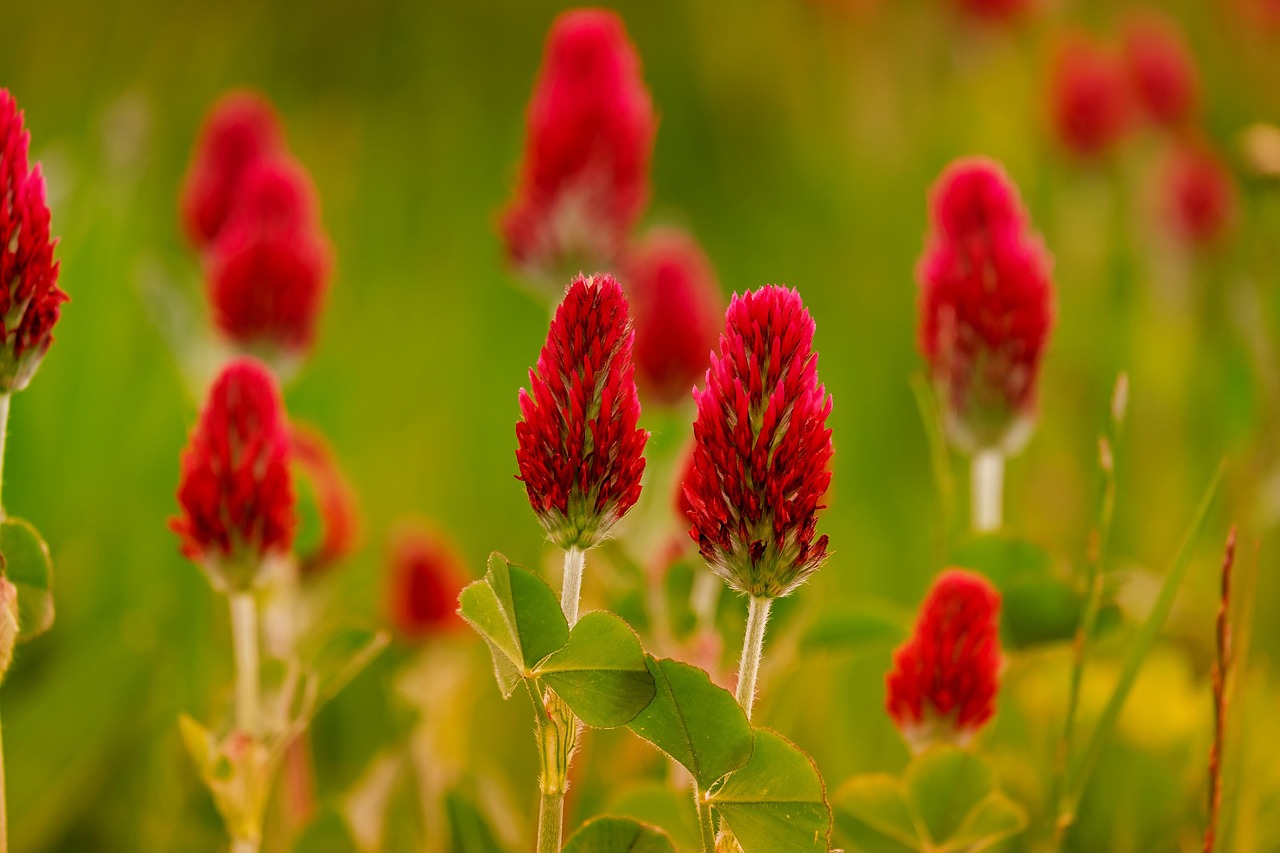
1. Crimson Clover: A quick-growing legume that fixes nitrogen and produces beautiful red flowers.
2. Winter Rye: Exceptionally hardy, rye suppresses weeds, loosens soil, and adds organic matter.
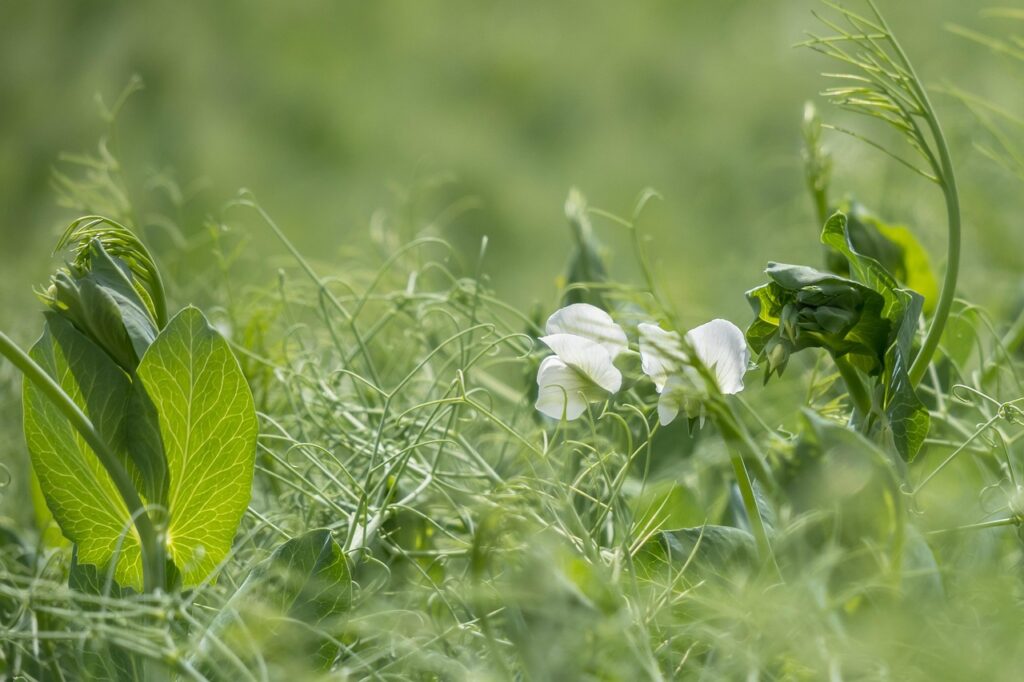
3. Field Peas: Another nitrogen-fixer, peas are great for spring or fall sowings.
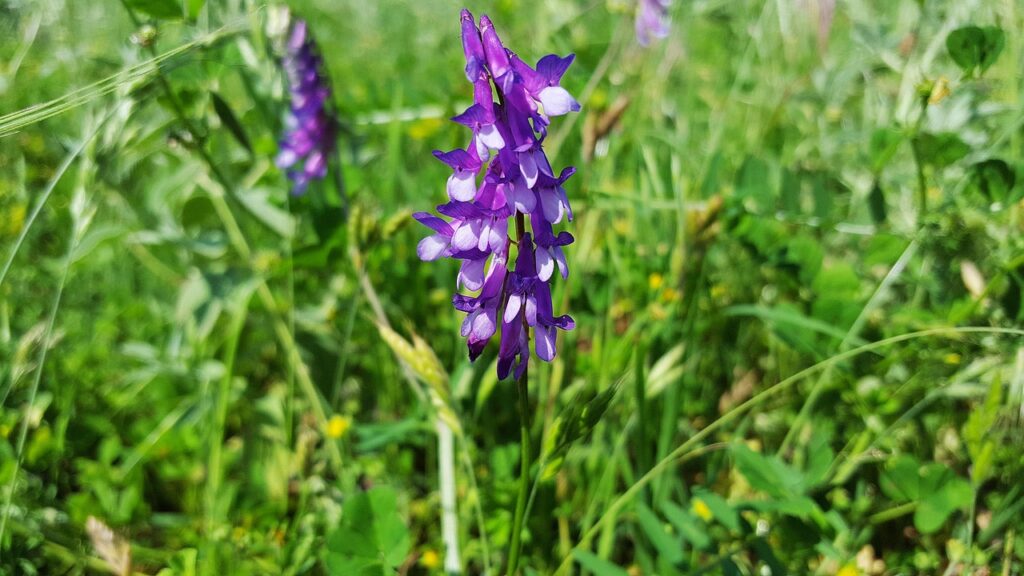
4. Common Vetch: A cool season annual that fixes nitrogen and produces sweet pea-like purple
flowers.
Timing is key for effective cover cropping. For fall cover crops, you will want to sow seeds about four to six weeks before your region’s first expected frost (November 11th for the Roseburg area). This gives them enough time to establish themselves before winter.
First, you will want to prepare the soil by removing any spent plants, and lightly raking the
surface. Spread the seeds evenly, then rake them in or cover lightly with soil according to the seed packet instructions. Cover crops require minimal care, but if rainfall is scarce, you will want to water your seedlings regularly till they are established. Most cover crops are not grown to full maturity. Instead, they’re cut down or mowed before they set seed in order to prevent spreading into areas that you don’t want them growing. For fall-planted cover crops, this usually happens in early spring, a few weeks before you plan to plant vegetables.
After cutting down your cover crop, let the plant material sit on the surface for a couple of
days to begin breaking down. Then, you can use a shovel, garden fork, or tiller to incorporate the plants into the top few inches of soil. Allow at least two to three weeks for decomposition before sowing seeds or transplanting your main crops. This process returns nutrients to the soil and prevents disease/pests.
You will want to rotate cover crop species from year to year to prevent disease buildup and to achieve a well balanced soil – just as you do with your vegetable plants. In small gardens, you can even interplant cover crops between rows or in pathways for extended soil improvement.
Growing cover crops is one of the easiest and most effective ways to build healthy, resilient
soil. Whether you have a large vegetable plot or a small raised bed, cover crops should be implemented into your gardening routine in an effort to provide natural fertility, better soil structure, and improved yields year after year. Try adding cover crops to your garden this fall and see the long-term benefits for yourself!
Do you have a gardening or insect question? Contact the Douglas County Master Gardeners at douglasmg@oregonstate.edu or 541-672-4461 or visit 1134 SE Douglas Ave., Roseburg. Douglas County Master Gardeners are trained volunteers who help the OSU Extension Service serve the people of Douglas County.