
Published in the News-Review June 13, 2025
By: Mackenzi Hall
Question: For years I have tried to grow clematis in my garden and each year they seem to struggle more than they should. They don’t die, but they don’t necessarily thrive either. Do you have any tips I can easily do at home to help my plants along?
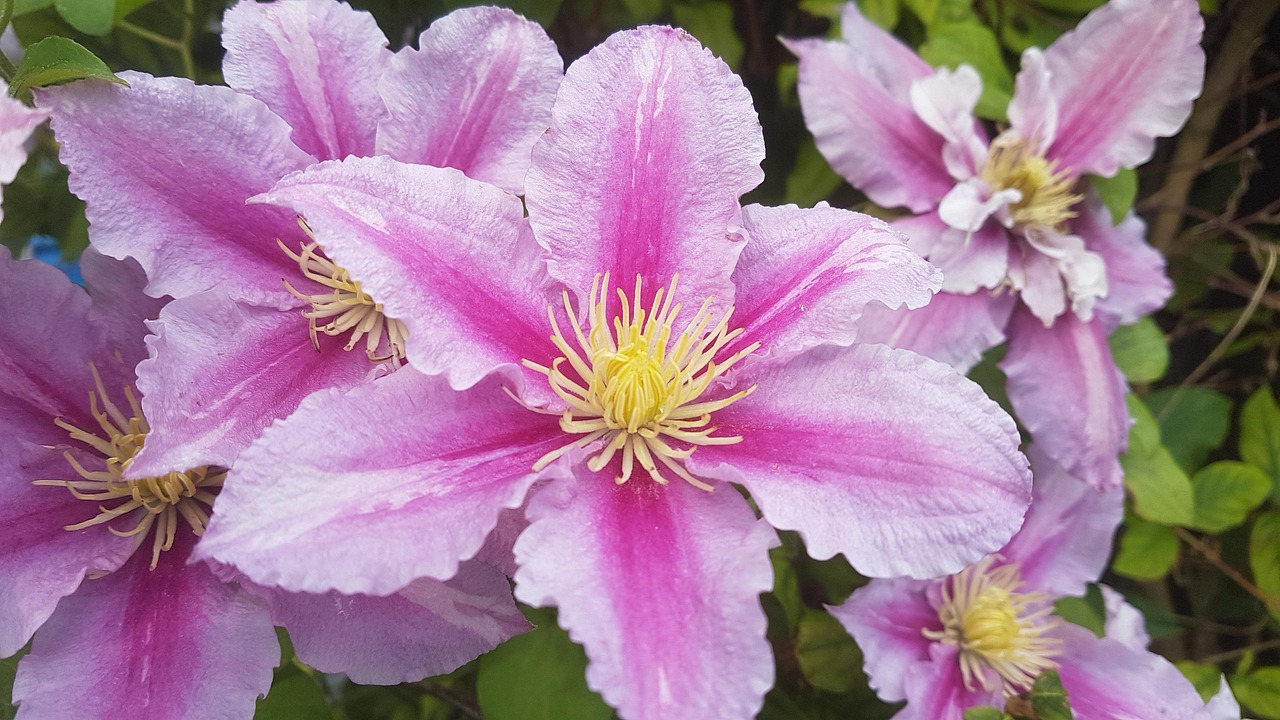
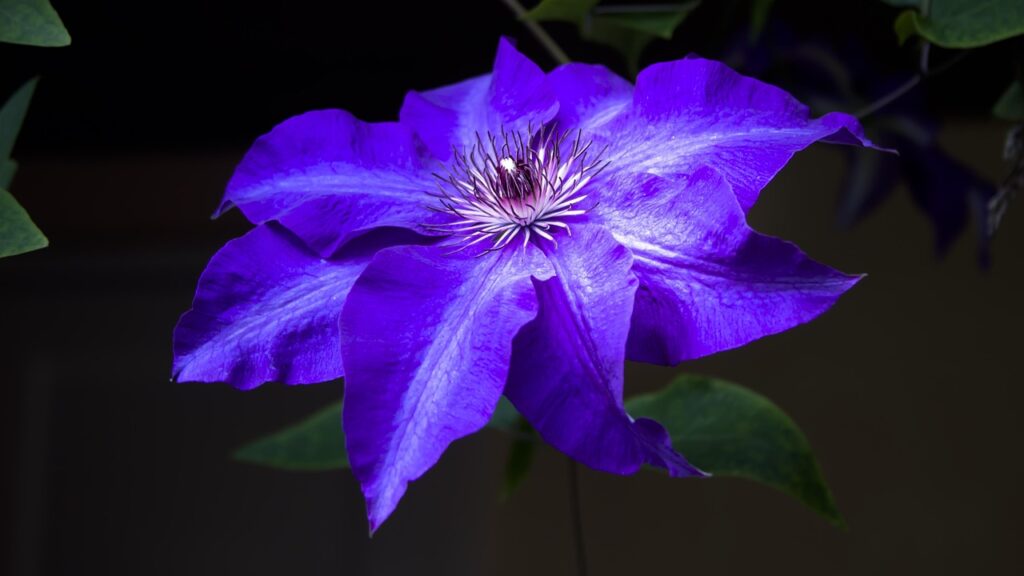
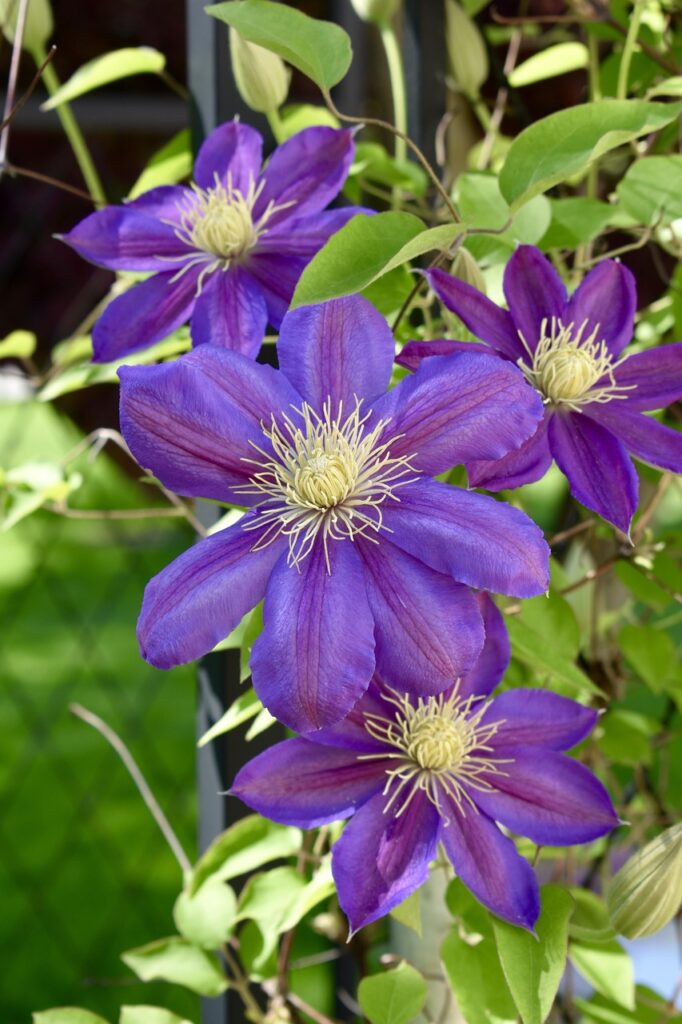
Answer: Clematis is often referred to as the “queen of climbers” and for good reason. It is a well sought after perennial vine known for its beautiful, vibrant flowers. Although they will technically grow in most conditions (zones 4-9), there are a few steps you can take to ensure you have the healthiest plant possible, so you can enjoy their spectacular blooms year after year.
Before you begin, it’s essential to select the right variety of clematis for your garden. With hundreds of species and cultivars available, they can bloom in various colors and sizes, which can be classified into three main groups based on their flowering time and pruning needs:
- Early bloomers will typically flower in spring on last year’s wood. Examples include Clematis montana and Clematis alpina. They require minimal pruning—just a light trim after flowering to maintain shape.
- Mid-bloomers will pop up in late spring and early summer and, if you’re lucky, may flower again in the fall. Clematis ‘Jackmanii‘ is a popular choice. They benefit from regular pruning to encourage healthy growth.
- Lastly, the “late bloomers” will bloom in summer and fall on this year’s wood. Examples like Clematis viticella can be pruned back in late winter or early spring to encourage vigorous growth.
Clematis thrive best in a sunny location with well-drained soil. Be sure to select a spot that receives at least 6-8 hours of sunlight daily to encourage abundant blooms. The next step is where it can get tricky and where a lot of gardeners run into trouble. While their flowers love the sun, their roots prefer cool conditions, so providing mulch or ground cover around the base is essential. If possible, you can plant your Clematis at the base of an arbor or deck railing to ensure that as the vines grow the flowers receive sun, but the base is shaded by the structure.
Before planting, prepare the soil by incorporating compost or well-rotted manure, which adds nutrients and improves drainage. Dig a hole approximately twice the width of the root ball and the same depth. Place your clematis in the hole, making sure that the top of the root ball is level with the soil surface. Water thoroughly after planting and add a deep layer of mulch.
While clematis are somewhat drought-resistant once established, regular watering is crucial, especially during dry spells. Water deeply once a week, allowing the soil to dry slightly between watering sessions. Avoid overhead watering, as wet foliage can lead to disease. Fertilizing is also important in promoting healthy growth and blooms. Apply a balanced fertilizer every spring to encourage robust foliage and flowering. Some gardeners prefer using organic options, such as compost tea or well-rotted manure. Either option can be found at your local gardening supply store.
How you will prune your Clematis varies based on the variety, as mentioned earlier. For early bloomers, prune just after flowering to shape and control growth. For mid-bloomers, prune after the first bloom, cutting back to just above a set of buds to encourage a second blooming. Late bloomers should be cut back to about 12-18 inches above the ground in early spring before new growth begins. Proper pruning helps prevent overcrowding and promotes air circulation, reducing the risk of disease.
Clematis are generally hardy, however they can sometimes fall victim to pests like aphids, slugs, and snails. Regularly inspect your plants for signs of infestation and address any issues promptly. Hand-picking pests or using insecticidal soap can effectively manage minor outbreaks. Fungal diseases such as wilt or powdery mildew can occur (especially in humid conditions). To combat this, ensure proper spacing for air circulation, avoid overhead watering, and remove any affected leaves or stems promptly.
With their stunning flowers and vigorous growth, Clematis can transform your garden into a vibrant oasis. Remember that patience is key, as it may take a year or two for your plants to fully establish and reach their full potential. By choosing the right varieties and providing adequate care you will be rewarded with years of breathtaking blooms!
Do you have a gardening or insect question? Contact the Douglas County Master Gardeners at douglasmg@oregonstate.edu or 541-672-4461 or visit 1134 SE Douglas Ave., Roseburg. Douglas County Master Gardeners are trained volunteers who help the OSU Extension Service serve the people of Douglas County.