
Published in the News-Review December 19, 2025
By: Chris Rusch
Question: I received a gift of an African violet plant for Christmas. Can you give me some information on this beautiful plant and how I can care for it?
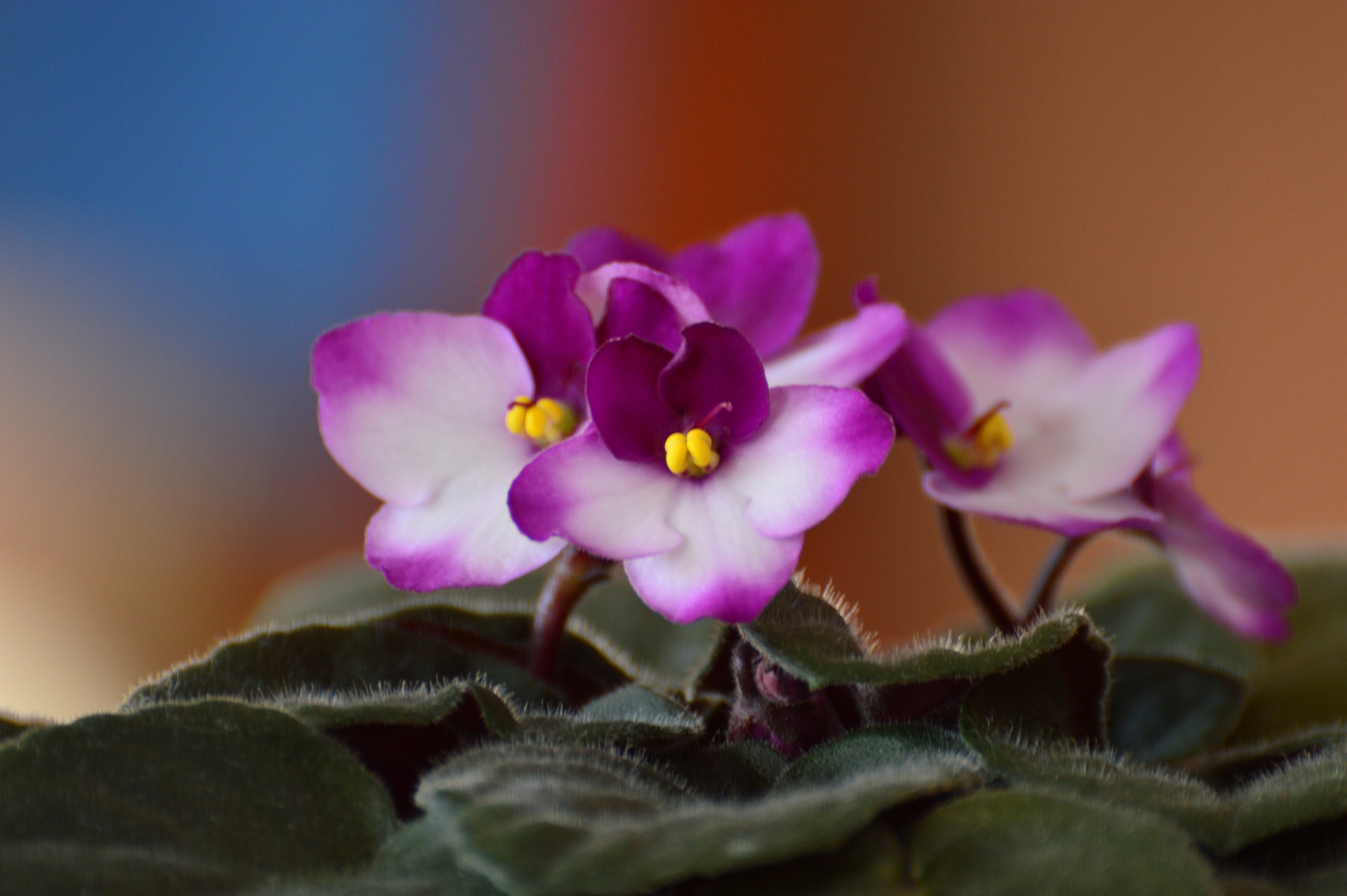
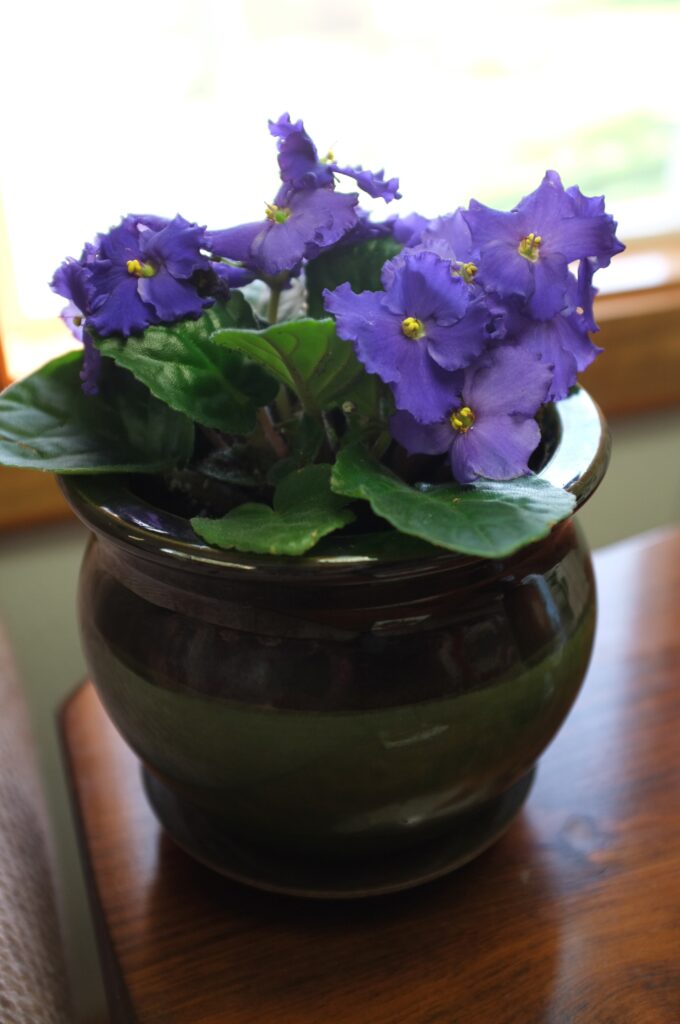
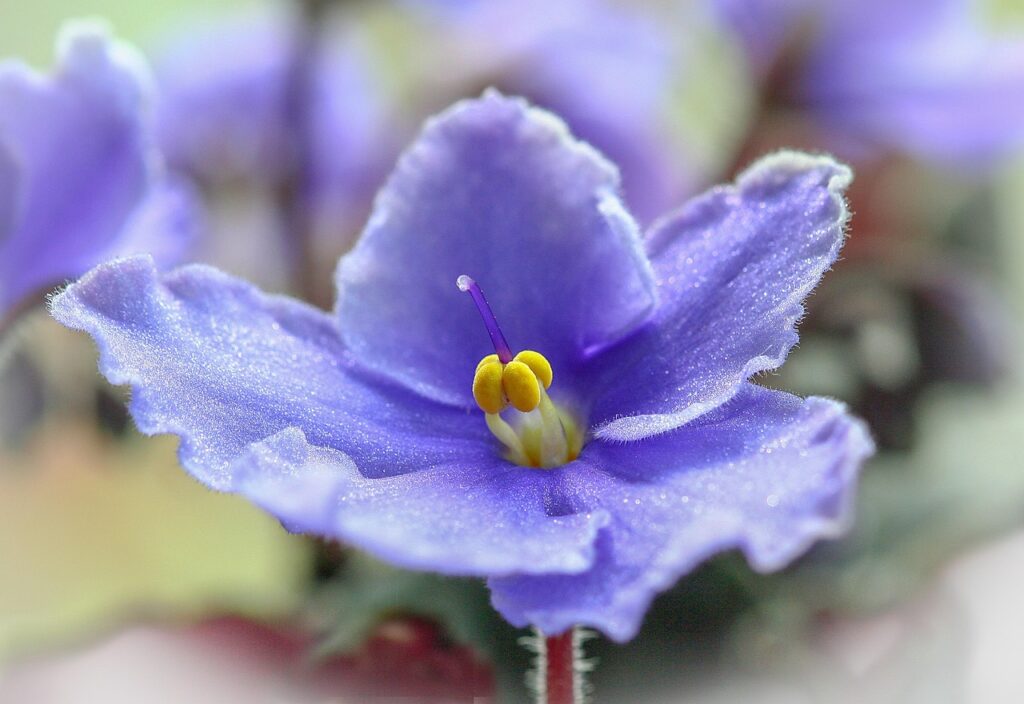
Answer: African violets belong to the Gesneriaceae family, often called the “African violet family” or Gesneriad family, a diverse group of tropical plants known for colorful indoor flowers. They are botanically classified under the genus Streptocarpus (section Saintpaulia) and are characterized by velvety leaves and vibrant blossoms in various hues.
African violets were discovered in 1892 by Baron Walter von Saint Paul-Illaire in Tanzania, Africa, and brought to Europe, becoming popular houseplants. Later, commercial hybrids like “Blue Boy” were released in the 1920’s by Armacost & Royston, leading to their mass marketing and immense variety today; this all stemming from those original mountain-dwelling species.
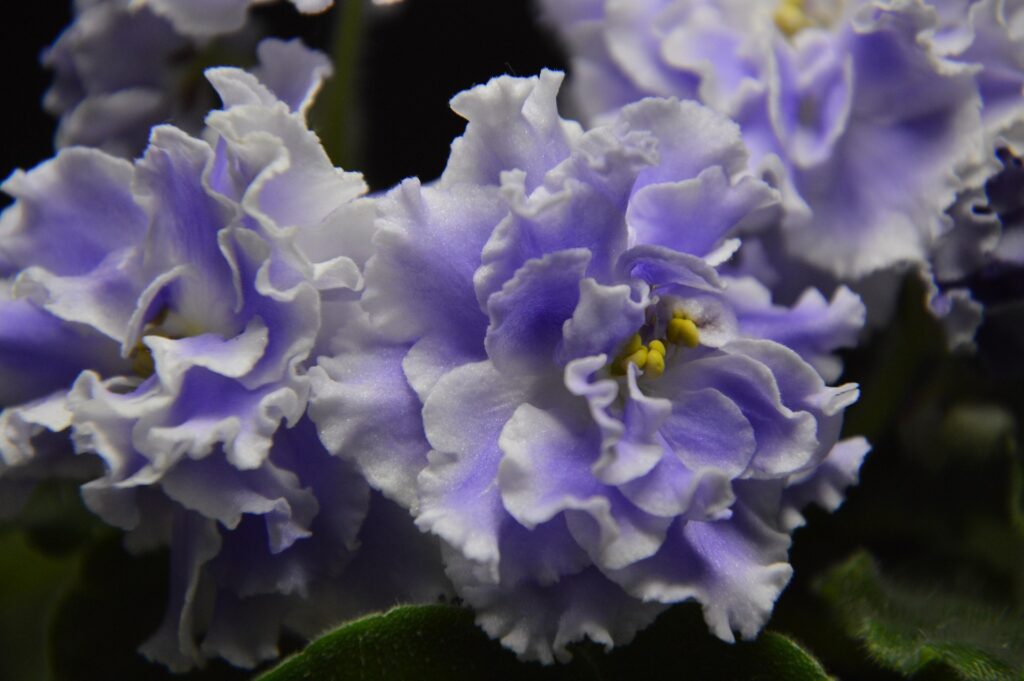
Since their introduction, hybridization has created thousands of varieties with diverse colors (pinks, whites, reds), foliage (variegated, ruffled), and flower forms (double, star, bell). Despite their name, they are not related to true violets but were named for their similar appearance.
When it comes to growing these colorful plants indoors, it’s best to place them in a part of the home that receives bright indirect light. In the winter months, windows that face west or south are best, and in the summer months, look for windows that face north or east. If there are no trees to filter the light, it’s important to move the pots back a bit as the direct sunlight can burn their sensitive leaves. Artificial lighting works well, too. Use fluorescent or LED bulbs to supplement natural lighting. Because African violets naturally grow toward the light, it’s important to rotate them regularly. Give the pot a quarter turn each week to help your plant stay full and symmetrical. This simple habit prevents lopsided growth and keeps your violet looking its best. Dark green leaves and leggy stems tell you the plant is getting too little light; light green or bleached leaves indicate too much light.
There is no set schedule for watering. It is best to use room-temperature water. It is important to avoid getting the leaves wet. Always water from underneath by placing the violet in a saucer. Fill the saucer well above the drainage holes at the bottom of the pot. Let the plant sit for about an hour and then pour the water out. For best results, African violets should be allowed to dry out between each watering. Overwatering can lead to killing the plant, so be sure to maintain a careful balance.
Temperature plays an important role for African violets. They thrive with an indoor temperature between 65 and 75 degrees. Avoid drafts and extreme temperature fluctuations. African violets dislike temperatures below 60°F, which causes leaf damage. and above 80-90°F, which slows growth and flowering. African violets thrive in stable, warm indoor conditions with good humidity.
Keep your African violet planted in a small pot and repot every few years to mix in fresh soil. Being a bit pot-bound encourages African violets to bloom more, so don’t be too quick to give them more space.
The soil should be loose and well-draining. When repotting African violets, don’t plant them any deeper than they were already planted, and be careful not to bury the crown.
During the active growing season (spring and summer), fertilize every 2 weeks with a high-phosphorous plant food. Start fertilizing when your plant appears to need an extra boost. Over-fertilizing is a more common problem than under-fertilizing since most soil mixes come infused with plenty of nutrients.
Another way to keep your plant looking its best is deadheading. Remove the drooping blooms, as this will encourage more flowers to develop over time.
African violets are very easy to propagate from leaf cuttings—and what’s better than free new plants?! Start by simply pinching off a leaf with stem, plant the stem in vermiculite or light soil mixture, water the soil, and cover with saran wrap type plastic. Within weeks, the stem will develop new roots and will be ready for transfer to a 4-inch container.
African violets are hardy, beautiful plants that add vibrant color and old-world charm to your houseplant collection. They are great as gifts to build memories around, can travel from house to house, and are beautiful to pass between friends and family. Not only that, they can also live upwards of 50 years with proper care.
There is some folklore associated with African violets. They are considered a symbol of loyalty, strength, courage and devotion. They are also considered good luck and are thought to bring wealth and health to your home. Enjoy your gift and Merry Christmas!
Do you have a gardening question? Please email the Douglas County Master Gardener Plant Clinic at douglasmg@oregonstate.edu.