
Ask A Master Gardener for publication May1, 2026
By: Linda Estep
“The Ups and Downs of Growing Ajuga Reptans”
Question: Last year, I purchased several Ajuga reptans. They were a beautiful addition to my garden. I plan to buy more, but I would like some gardening tips. Also, my neighbor warned me that Ajuga reptans may not be the best choice for my garden space because it tends to be invasive. Would you shed some light on this?
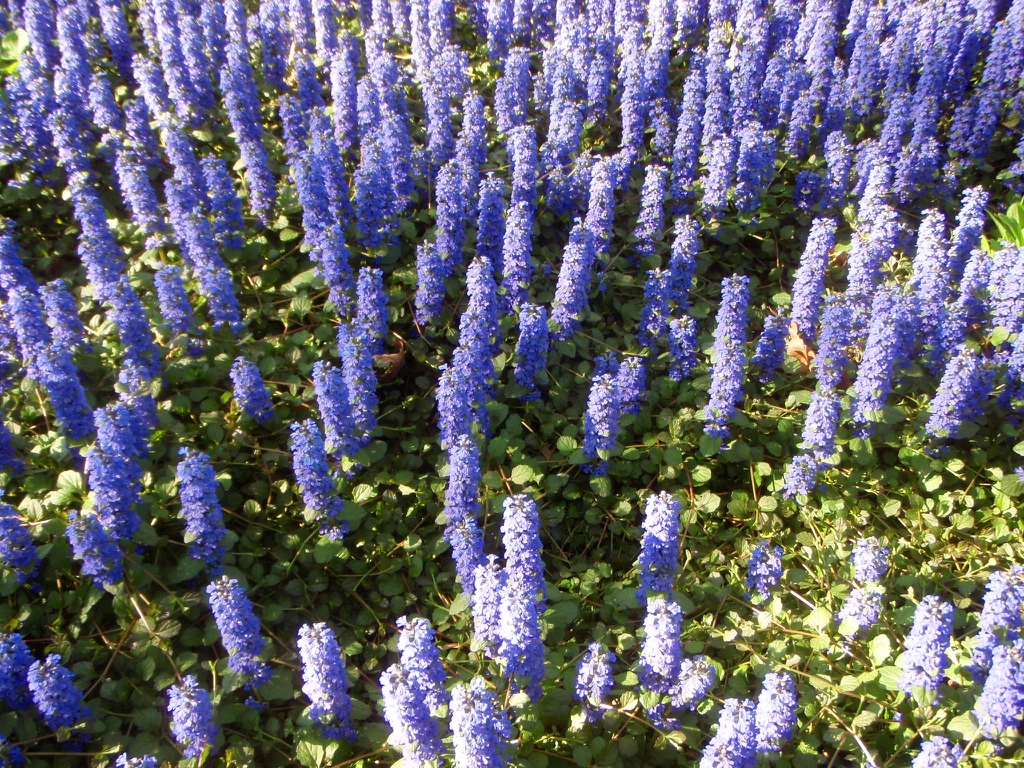
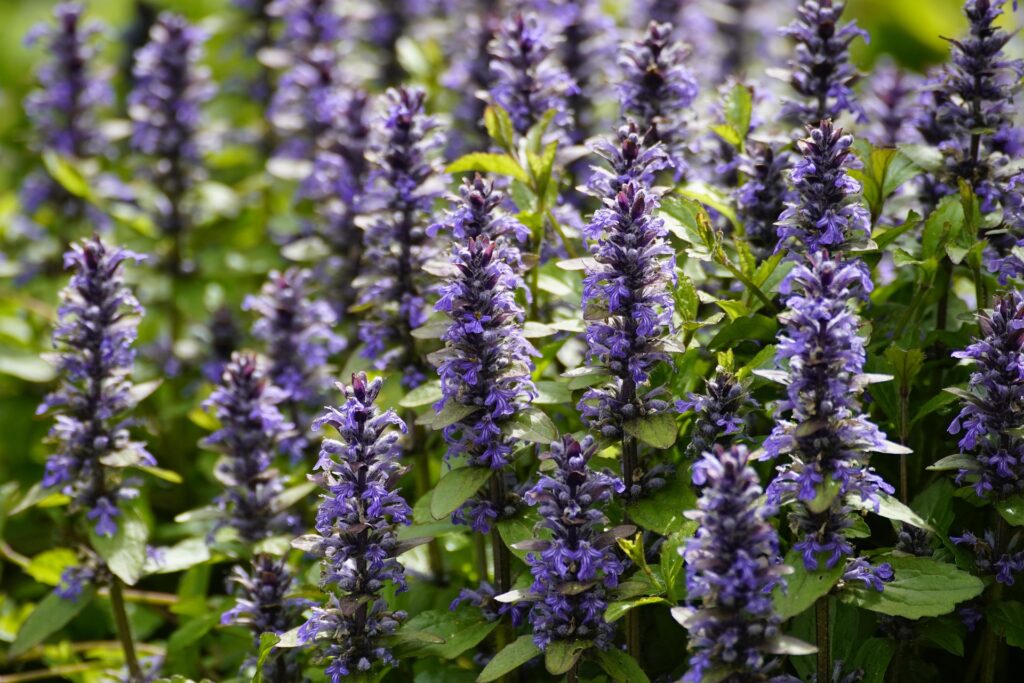
Answer: Ajuga reptans—better known as bugleweed, carpetweed, common bugle, or blue bugle—is a go-to ground cover for gardeners and landscapers all over Oregon. It is an herbaceous, perennial from the mint family. The main reason people love Ajuga reptans is simple—it looks amazing. From late spring into early summer, you will get carpets of vibrant blue flowers, perfect for borders or shady spots. The leaves, which can be dark green or even a hint of purple, stay attractive right through the season.
Ajuga reptans is also super adaptable. It does well in Oregon’s mild, wet climate. It prefers partial to full shade but will tolerate full sun. It will even grow in spots where other plants give up—under trees or on tricky slopes. Its roots are tough and help keep soil in place, which is great if you are worried about erosion or runoff ruining your yard.
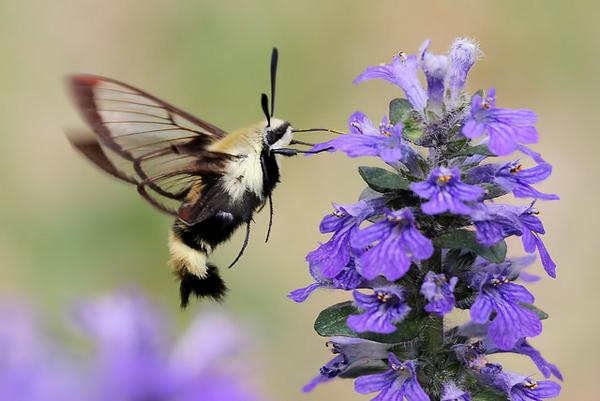
Other advantages? Ajuga reptans attracts bees, butterflies, and other beneficial insects. Once Ajuga reptans gets established, it barely needs any attention. It can handle dry spells, and it is rarely bothered by deer, pests or disease. Plus, it crowds out weeds, making your life easier if you want a low-maintenance garden.
According to Oregon State University Extension, Ajuga reptans can become invasive if you don’t keep an eye on it. It grows really fast and spreads out by sending stolons – horizontal runners that root wherever they touch soil. If you are not careful, it can take over, forming thick mats that push out other plants.
This growing habit certainly does create problems in the countryside because, as other native plants are crowded out, the natural habitat is adversely affected. However, in a well-tended, cultivated garden area, there are a few things to do to control its invasive tendencies. Trim back runners, monitor its boundaries, and look for cultivars that don’t grow as aggressively. If I were planting it in my yard, I would give it very distinct boundaries such as rock borders or raised beds.
There’s another downside: Ajuga reptans does not do well with lots of foot traffic. The stems and leaves are pretty delicate and get damaged easily, so it’s not a good choice for lawns or areas where kids and pets are always running around.
Also, if your soil doesn’t drain well, Ajuga reptans can suffer from crown rot, especially during Oregon’s rainy winters. Heavy clay or compacted dirt makes this worse. To avoid problems, plant it in raised beds or mix in organic matter to help water drain away. Try to ensure good air circulation.
All in all, Ajuga reptans can be a great addition to Oregon gardens if you plant it thoughtfully and keep an eye on it. As with any plant that’s not native, it’s important to manage it well so it doesn’t cause problems. With a bit of planning and care, gardeners can enjoy its beauty and usefulness without risking the local environment.
Do you have a gardening or insect question? Contact the Douglas County Master Gardeners at douglasmg@oregonstate.edu or 541-672-4461 or visit 1134 SE Douglas Ave., Roseburg. Douglas County Master Gardeners are trained volunteers who help the OSU Extension Service serve the people of Douglas County.