
Published in the News-Review on July 3, 2025
By: Janet Bitter
Question: I love the smell of lavender and would like to add some to my landscape. Is it easy to grow?
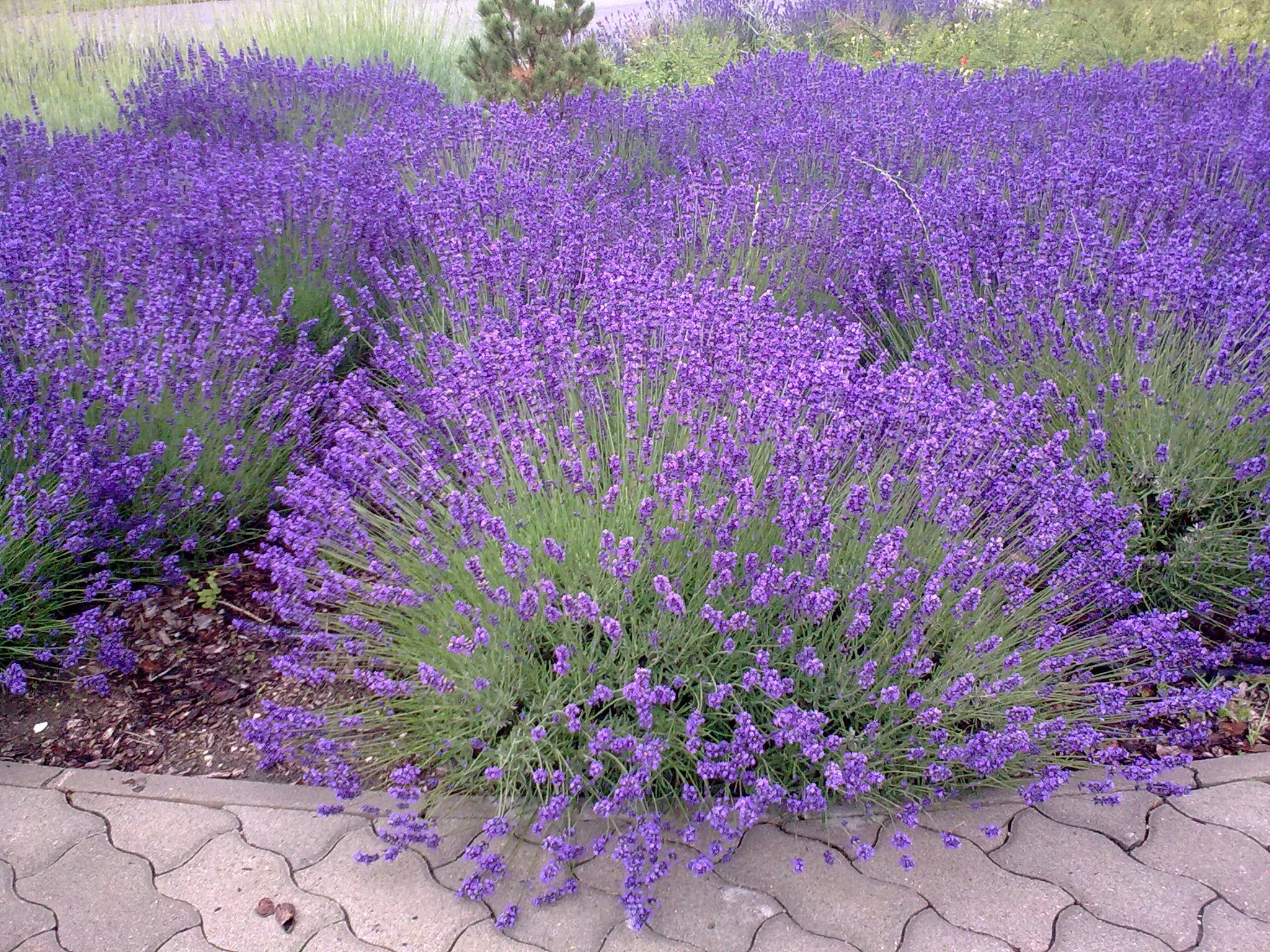
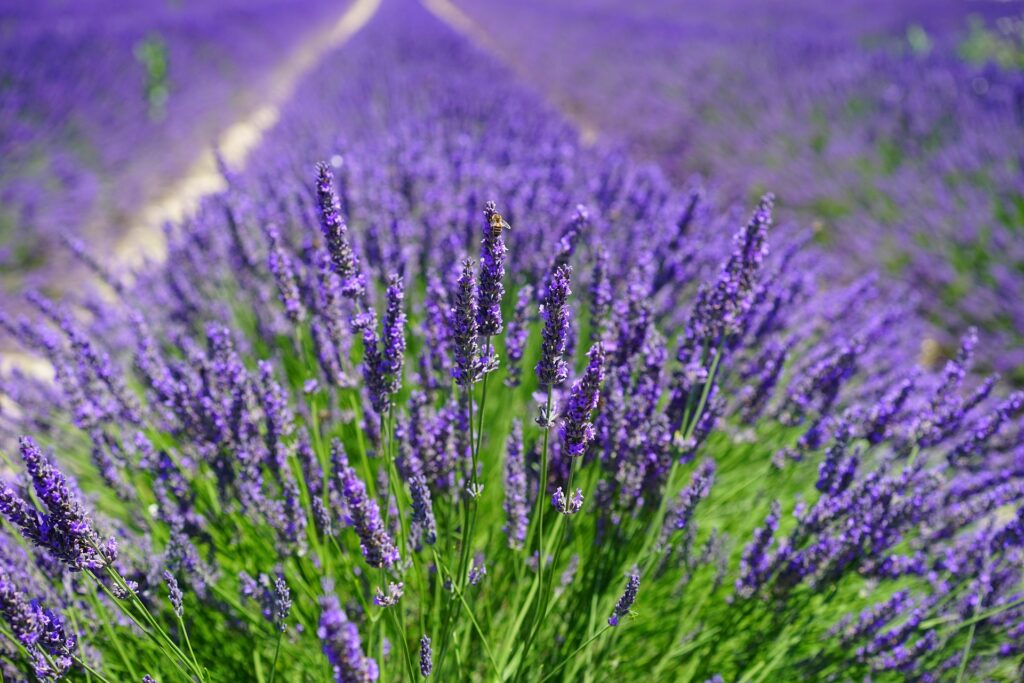
Answer: Awwww, the sweet smell of lavender. Its fragrance is said to be very soothing—something we can all use in this crazy world. Planting some in your yard is a great idea, since it is easy to care for and attracts a lot of pollinators but is deer and rabbit resistant. There are just a few things to keep in mind if you decide to add some lavender to your landscape.
Lavender requires a location with full sun and will not tolerate soggy soil. It prefers soil with some grit, or a sandy loam. If your soil is a little on the heavy side with a lot of clay, plant your lavender on mounded berms to improve drainage. Make sure to leave good air circulation between plants. It needs average water the first year you plant, but after that it can tolerate extended periods of drought. It does not require much in fertilization, so don’t kill it with kindness! The exception to this is if you plant it in a container, it will require more water, pruning and fertilizer due to its restricted root area.
Lavender is not bothered by many pests or diseases. It may get root rot in heavy soils or if overwatered. Insect pests you may encounter on it include spider mites, spittlebugs, and white flies. Manage them with a forceful water spray or some insecticidal soap.
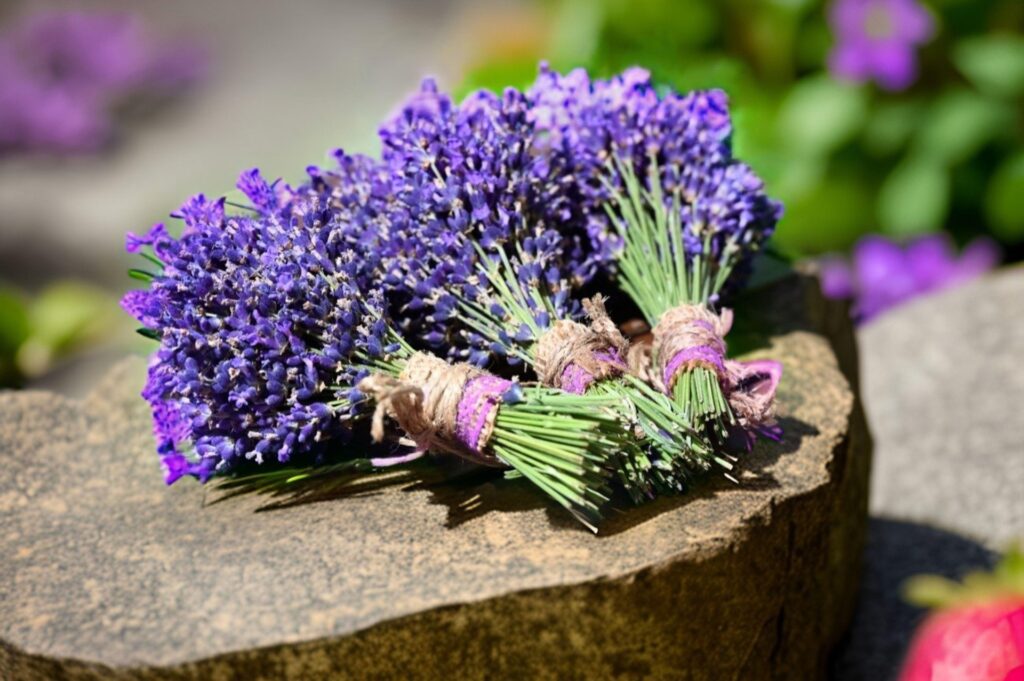
You need to decide what type of lavender you wish to plant. Do you want culinary lavender? Are you going to dry it for potpourri? Do you just want landscape interest? There are color choices besides the common shades of purple—some cultivars come in white or pink. Pay attention to the expected size of the variety you plant—size can vary from dwarf varieties about 12” tall to standard varieties over 3 ‘ high. Let’s talk about the types of lavender plants.
There are four major groups of lavender. They all originate in the Mediterranean regions of the world, but each has its uses and its limitations. Although all make great landscape plants, if you want to use your lavender for crafting or cooking, pay attention to what type of lavender you plant.
Lavandula augustifolia: this is English lavender, or “true” lavender. It has the best hardiness, and is the type most used for culinary purposes (lavender lemonade, anyone? Yum!) It has a sweet, traditional lavender scent. Common cultivars include ‘Munstead’ and ‘Hidcote’. Bloom time is June and July.
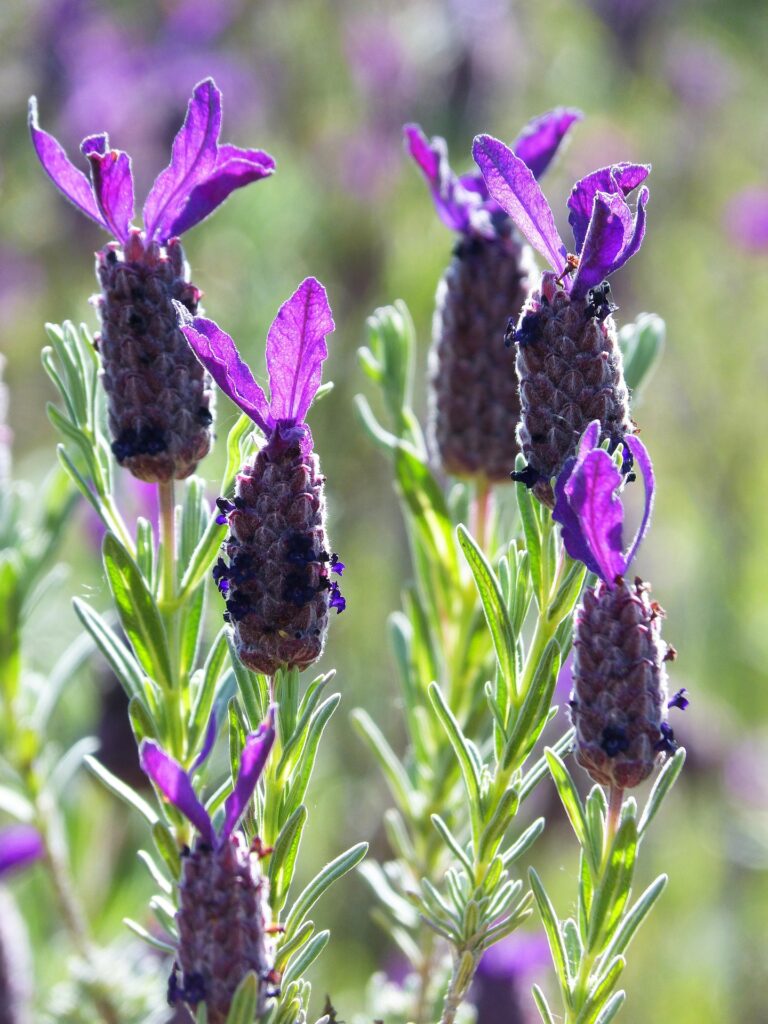
Lavandula stoechas: Spanish lavender. This is best used as a landscape plant. It has flowers that resemble little pineapples. It is not as hardy as the other types so if we have a harsh winter you may need to replant. Mildly fragrant. Bloom time April and May.
Lavandula dentata: French lavender. It often has fringed leaves but is only mildly fragrant. Bloom time is mid-July – October.
Lavandula x intermedia or lavandin: these are the English hybrids. They are good for drying and are known for their intense fragrance. The ‘Grosso’ variety is the most planted commercial variety in the world and is used for oil production and perfumes. ‘Provence’ is another well-known and useful home variety.
The most frequent problem homeowners have with lavender is with its pruning. If you don’t prune your lavender, it will become woody and unsightly. Lavender flowers on new wood and that needs to be kept in mind when pruning. Lavender needs to be pruned at least once per year to keep it shapely and encourage blooms. If you are harvesting your flower spikes, you can prune your plant as you harvest. Grab a bunch of flowers and cut them back to about 2-3” above where the woody part of the plant begins. Cut into the green areas only—do not cut into the woody area as the plant may not regrow if you cut deep into the wood. Your goal is to cut about 1/3 of the healthy green growth of the shrub and keep a nice, rounded shape to your plant. Never prune any later than 6 weeks before your expected first frost in the fall.
You may give your plant a minor pruning in the early spring. Just after the last frost, give it a light (1 ½”) crew cut. This will encourage new growth. When pruning, you are striving to keep a mounded shape to your plant.
The Pacific Northwest leads the nation in commercial lavender production. Keep your eyes out for information about lavender farms in our area having festivals or open house events, as it is lavender season. You may pick up some plants to try growing your own lavender or try some of the myriad products that you can find made with this fragrant plant. Don’t let lavender season pass you by!
Do you have a gardening or insect question? Contact the Douglas County Master Gardeners at douglasmg@oregonstate.edu or 541-672-4461 or visit 1134 SE Douglas Ave., Roseburg. Douglas County Master Gardeners are trained volunteers who help the OSU Extension Service serve the people of Douglas County.