
Published in the News-Review February 27, 2026
By: Chris Rusch
“Gardening activities for March”
Question: My daffodils and crocus are blooming. I am so excited about getting my garden started. What are some ideas for early season planting?
Answer: With spring just around the corner, it is time to get serious and get your spring garden in shape with these must-do March tips. The fickle weather of March can make it difficult to predict exact dates for planting, so proceed with caution!
First, get to know your soil. Make sure you take advantage of our Douglas County Master Gardener soil testing program and take in a sample of your soil soon. The results will offer a scientific analysis of what nutrients need to be added to your soil.
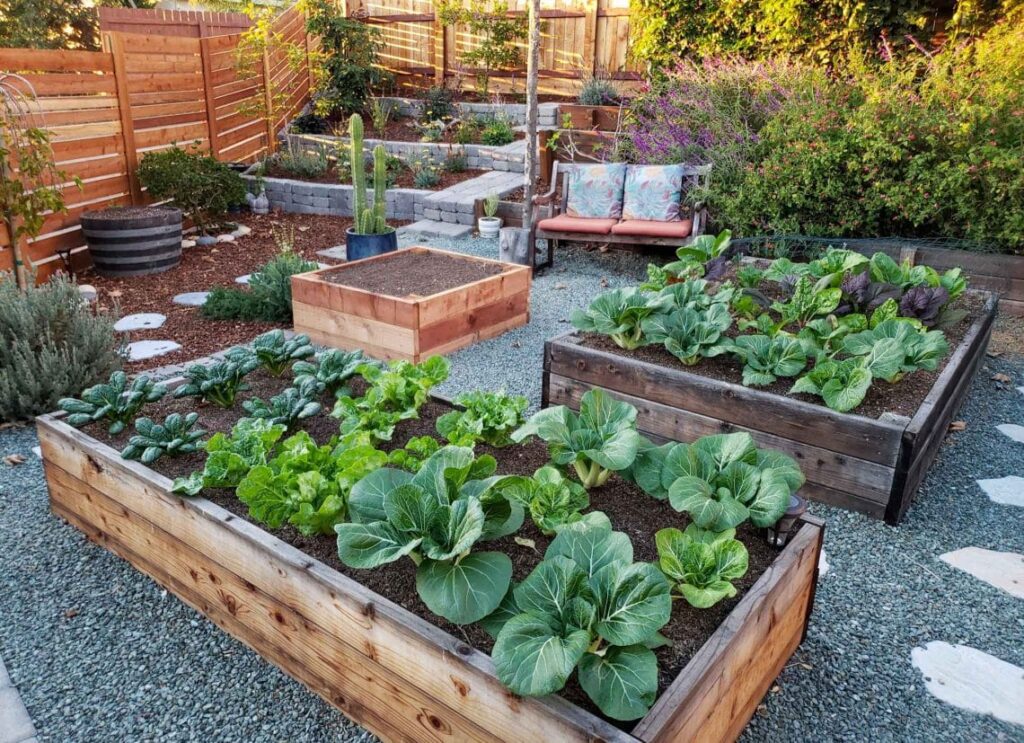
To prepare your garden for planting, spread compost over your garden and landscape areas. The additions of well-rotted manure or compost are good for building humus in the soil. Garden soil should be loamy enough to provide oxygen to the roots of growing plants, well drained, and fertile enough to grow a great vegetable crop. Poorly drained soil stays wet and cold late into the spring, making it difficult to grow early-season vegetables. If your soil is heavy and is still wet long after rain has stopped, consider using raised beds. Raised beds will not only be better drained, they also will warm up earlier.
Choosing a garden site is as important as selecting the vegetables to grow in it. Select for sunlight. An open, south-facing, gradual slope is best. All vegetables need a minimum of six hours of sunshine. Less will cause the plants to be weak and spindly no matter how much care you give them. Few of us are lucky enough to have the ideal garden site. You might find that the perfect place for your sweet corn is along the back fence, where it becomes a backdrop for dahlias. Or the sunniest site for chard or beets may be along the sidewalk entry. Innovative gardeners will find spaces that fit their plants’ needs.
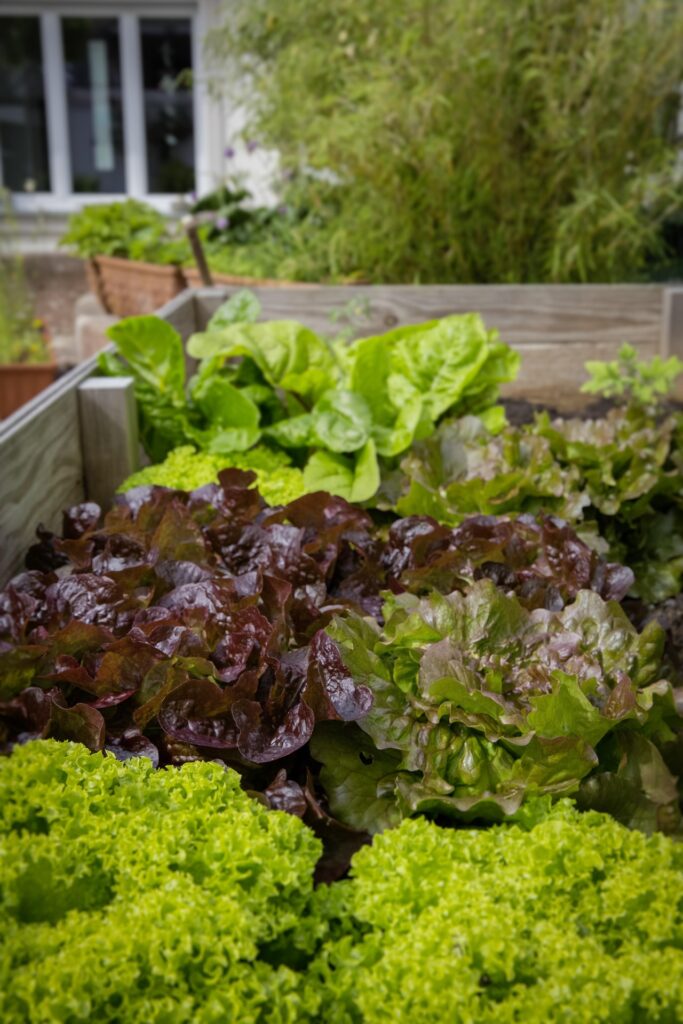
March is a good time for planting cool season crops such as peas, lettuce, spinach, and kale. Radish seeds and early potatoes can be planted in the garden about mid-month. Broccoli, cabbage, cauliflower, Brussels sprouts, and other hardy vegetables can be seeded or set out as transplants late in the month.
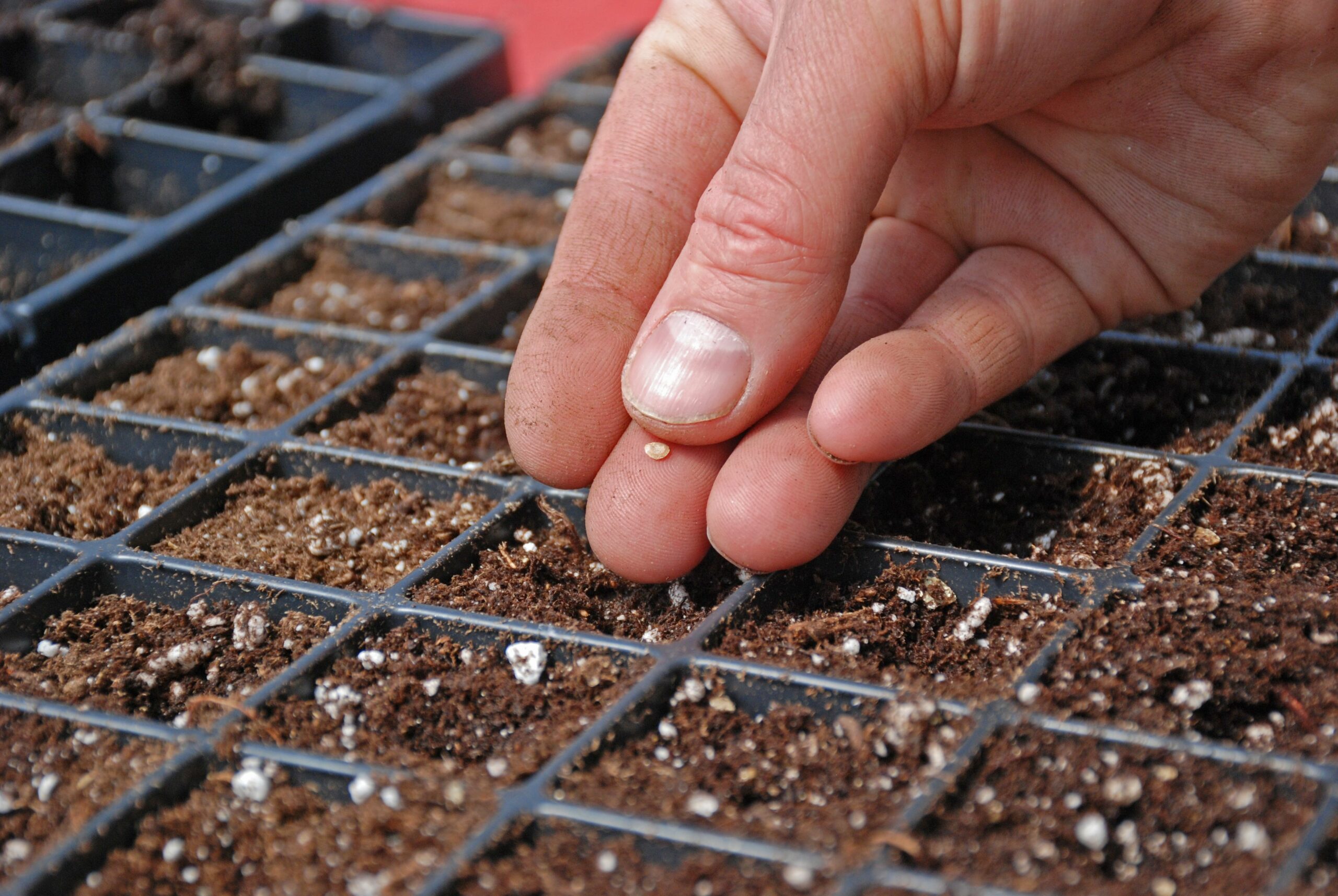
If you want to start your own tomatoes, peppers, celery, herbs and other vegetables from seed, March is the time to start your seeds indoors or in a green house. Sow seeds of summer blooming annuals indoors in March as well.
March is the month when many of the beautiful spring flowering perennials and shrubs begin to bloom. Fertilize your shrubs and trees if this wasn’t done in February. If established and healthy, their nutrient needs should be minimal. Use an acid type rhododendron fertilizer to feed evergreens, conifers, and broad leaf evergreens like camellias, rhododendrons and azaleas. Use an all-purpose fertilizer to feed roses and other deciduous trees and shrubs.
Divide and transplant summer blooming perennials like hostas, daylilies and mums, and fertilize established ones as soon as new growth appears. For your summer enjoyment, plant tender bulbs and tubers like gladiolas, lilies and dahlias. You can continue planting more bulbs every two weeks until mid-June to ensure a continuous source of bloom. For early spring color plant primroses and pansies in your landscape.
Finish pruning your fruit trees this month – before the buds swell! There is still time to prune ornamentals for air circulation and to help prevent fungus diseases.
March is a good time to plant berry crops like strawberries, raspberries, blueberries, blackberries, currants, and gooseberries. Perennial vegetables like asparagus, rhubarb, and artichokes can be planted throughout March. Look for healthy transplants at your local garden nursery. Fertilize your established caneberries this month using band fertilizer, broadcast fertilizer, a complete fertilizer or compost.
Protect new plant growth from slugs. Least toxic management options include barriers and traps. Bait is also available for slug control; use with caution around pets. Read and follow all label directions prior to using baits or any other chemical control.
Let’s not forget the lawn! Repair damaged areas of the lawn – dethatch, rake or aerate. Apply dolomite lime to sweeten the soil if needed. Most lawns will need a spring feeding but if thatching or liming needs to be done, do those jobs first. If moss is a problem, a combination fertilizer and moss killer can be applied, to do both jobs in one easy application. Over-seeding can be done as the last step, after the lawn has been fertilized.
Be sure to register for the OSU Extension and Master Gardener SPRING INTO GARDENING event scheduled for March 7. Visit our website at: https://extension.oregonstate.edu/county/douglas/events
Do you have a gardening question? Please email, call, or visit the Douglas County Master Gardener Plant Clinic at douglasmg@oregonstate.edu, 541-672-4461, or 1134 S.E. Douglas Ave., Roseburg.