
Published in the News-Review November 7, 2025
By: Julie Burchstead
Question: I love olive trees. Can we grow them in Roseburg?
Answer: With some considerations, most likely yes, and you will be following a growing trend.
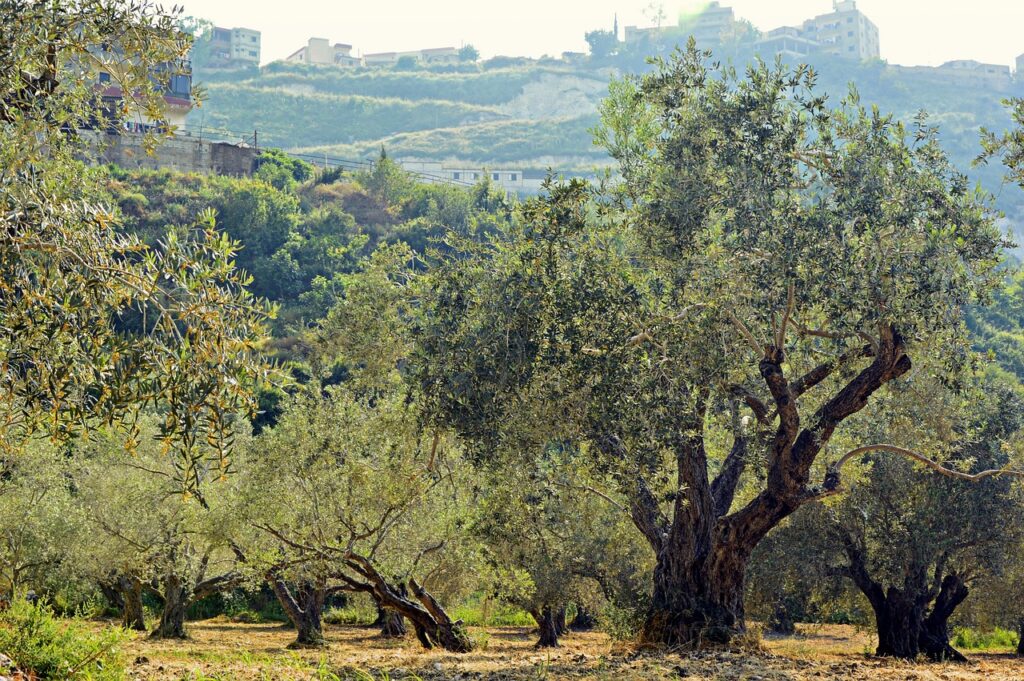
With their graceful growing habit, silvery evergreen leaves that catch the wind, and long lifespan, olive trees (Olea europaea) make quite a statement in a garden. Historically, they have not been planted widely in home or agricultural landscapes in the United States outside of the warmer climes of California. But that is beginning to change.
When we plant trees, we are thinking about the future. We want to choose species that can thrive now, and throughout their lifespan, which in most cases will long surpass ours. However, in Douglas County we are well aware that on average our winters grow warmer and summers longer, hotter and drier. Oregon’s climate (particularly in the southwest) is becoming more Mediterranean. Some native trees like Douglas-fir that rely on more temperate conditions are beginning to struggle.
With this in mind, I decided to think outside the box when choosing another tree for my backyard. I already have a variety of native trees, shrubs and plants, which were also chosen with drought tolerance in mind. Olive trees kept popping up in my research as a species that might do well for developing conditions here. When I began to look into the possibility and searching for where I might find one, I discovered Oregon has quietly been planting small olive groves from the Willamette Valley south for nearly 20 years, including at least one grove here in the Umpqua Valley.
Sun needs:Full sun, though exposure to prolonged extreme heat can also cause damage.
Space:Olive trees need room. Unpruned they can reach 50 feet tall and can be bushy. Oregon growers often prune for an open vase shape.
Cold tolerance: Mature olive trees can withstand an overnight chill down to about 15 degrees, but cold spells of longer duration will likely cause damage, and in some situations death. Some varieties (like Arbequina) are more cold tolerant than others. Avoid planting in a cold pocket (bottom of a hill or highly exposed areas, for example). Olives prefer southern or western exposure. Don’t prune late in the season as new growth is easily cold damaged. Mulch or a cover crop will offer protection. Protect potted trees in winter by wrapping pots. Very young potted trees might benefit from wintering in an unheated greenhouse.
Soil preferences: Olive trees naturally thrive in rocky, well drained, low nutrient, higher pH soils. If growing in a pot, use coarser soil and fertilize only rarely. Do not add compost or fertilize when planted directly into a landscape.
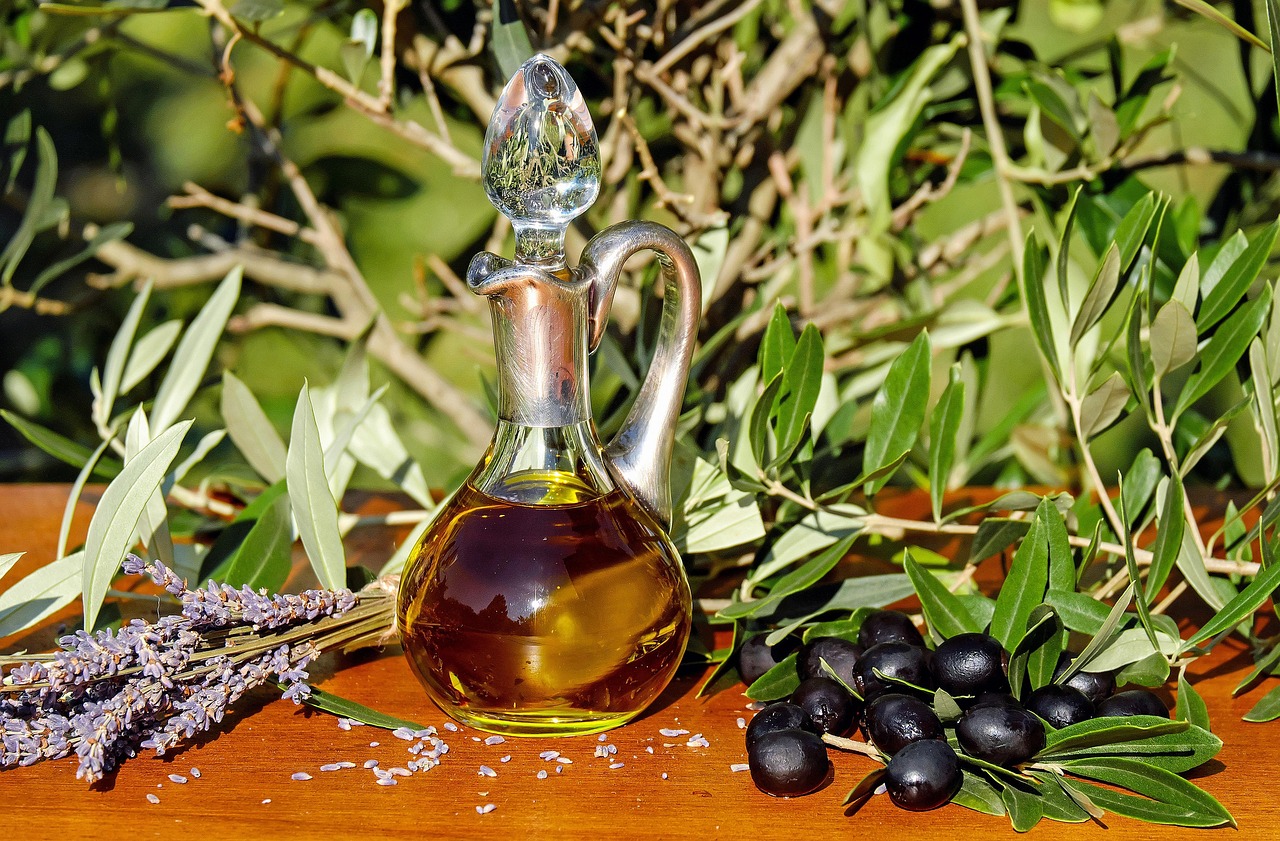
Ornamental or for fruit? Oregon grown trees have smaller fruit, less yield, and will not fully ripen (but still make delicious oil). Small groves are needed for enough fruit to make oil, but home gardeners can harvest for table olives.
Water needs: Olive trees are drought tolerant at maturity, but need moderate watering during the dry season when young, but hate having wet feet.
Sources: Cultivate one from a friend’s cutting (takes about 90 days to root, so be patient). Often seasonally available in local nurseries. Search for an Oregon grower (that’s how I found mine).
Longevity: Happy olive trees are extremely long-lived. There are specimens near Crete believed to be 2,000 and more years old. Generally olive trees need to be five or more years old before they fruit.
Unlike many trees, it is best to plant olive trees in the spring to avoid the cold and wet feet possible in winter, giving the plant more optimum growing conditions to establish a root system. Older plants are also hardier, so choose as large a plant as you can find and transport. I started with a five gallon size tree.
As Oregon is relatively new to olive trees, they are still relatively free of many pests known to attack them, but watch for these:
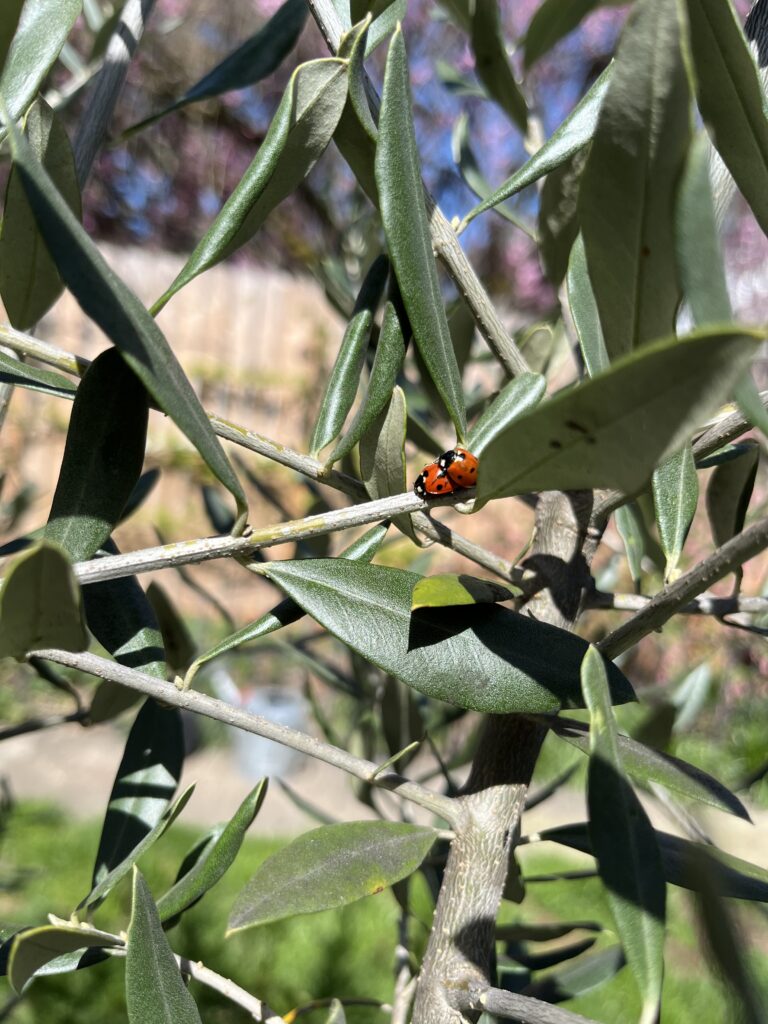
- Scale insects can result in sooty mildew. My tree was small when it experienced an outbreak of scale. I hand picked them, and there were no issues.
- Peacock spot (a fungal condition) that causes black circular leaf spots surrounded by a yellow halo. This can occur in cool, wet conditions and may cause leaf drop or decreased fruiting.
- Leaf drop can also be stress related.
- Sadly, it has also been discovered olive trees are vulnerable to the Emerald ash borer, a new invasive insect found as far south as Marion County.
Keeping climate changes and potential threats in mind will be more important for gardeners as we make choices in our plantings. Trees are inevitably a gift for the future.
Do you have a gardening or insect question? Contact the Douglas County Master Gardeners at douglasmg@oregonstate.edu or 541-672-4461 or visit 1134 SE Douglas Ave., Roseburg. Douglas County Master Gardeners are trained volunteers who help the OSU Extension Service serve the people of Douglas County.