

Published in the News-Review October 31, 2025
By: Mackenzi Hall
Growing Winter Greens
Question: I understand that leafy greens are not only nutritious, but also can be grown in the cold, winter months. Now that my garden beds have free space, I am hoping to learn a bit more
about which greens grow best in our area and what steps I can take to ensure success.
Answer: As the colder months approach and while many gardeners have put their beds to rest,
winter greens take the stage. They bring with them color, texture, and nutrition when little else is
growing. These leafy vegetables thrive in cooler weather, offering a steady supply of fresh produce throughout the winter. If you are looking to try your hand at growing leafy greens this season, follow the simple steps below to ensure you achieve an excellent harvest.
Initially, you will want to begin by choosing which variety (or varieties) you’d like to grow. Although there are quite a few options to choose from, these are perhaps the 3 most widely grown varieties in Douglas County:
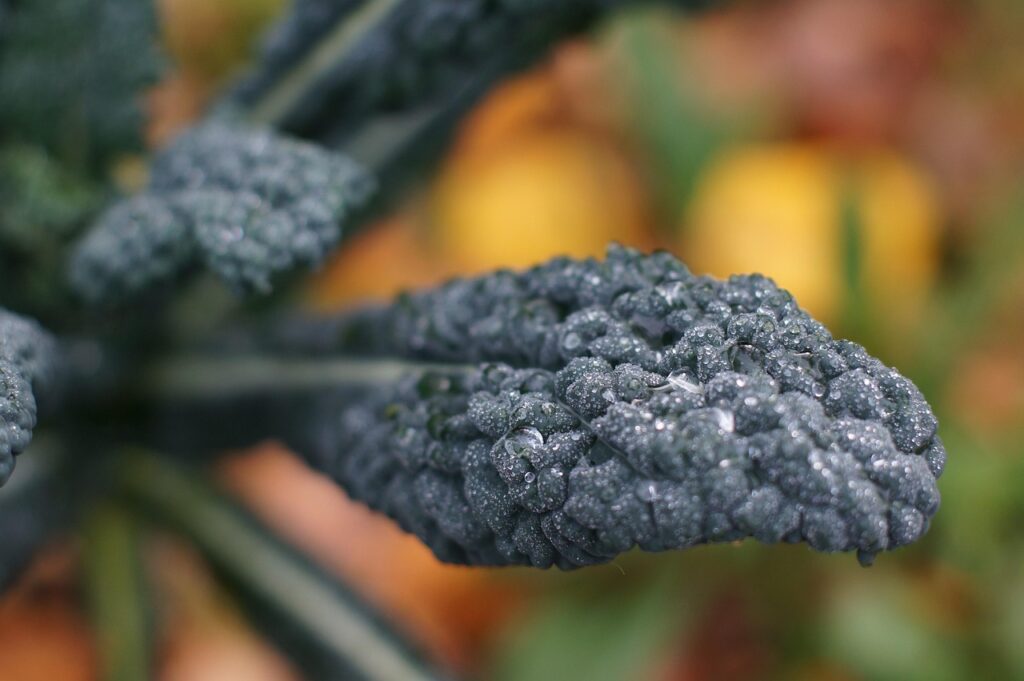
1. Kale is commonly used in cuisines around the world and is well loved for its resilience and nutritional density. Common varieties include Curly kale, Lacinato (or Dinosaur) kale, and Red Russian kale. All types develop sweeter, milder flavors after exposure to frost, making them ideal for winter harvesting.
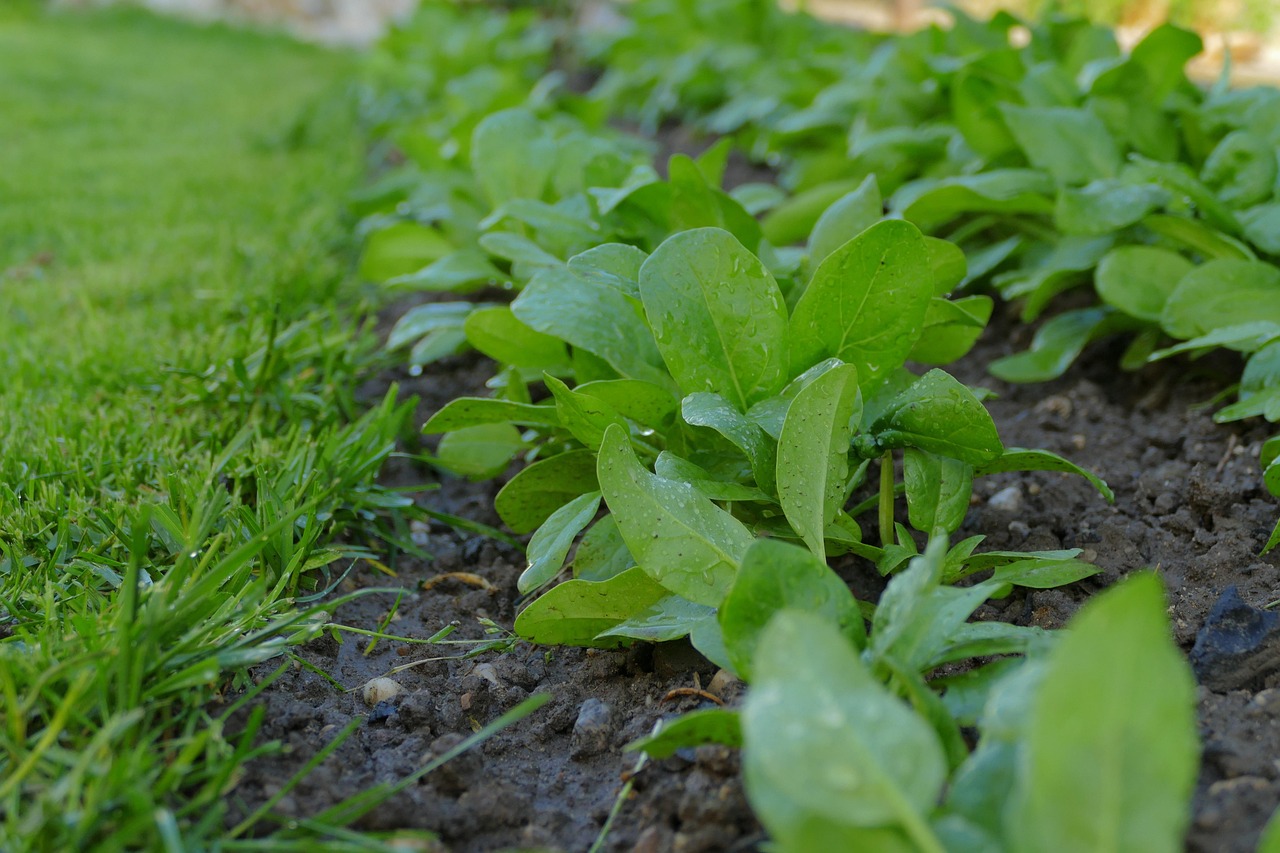
2. Spinach is a classic. It is a cold-hardy green that is fairly easy to grow and can withstand frosty nights. While some varieties such as Bloomsdale have crinkled leaves, there are also flat-leaf types that offer a smoother texture and are easier to clean.
3. Arugula, or rocket, is popular because of its spicy, nutty flavor. It’s quick-growing and can tolerate light frost, making it a good option to get in the ground now.
If you would like to further diversify your garden, then you can also try your hand at growing Collards, Swiss Chard, or Mustard Greens. Each variety will have its own unique beauty and flavor profile, so you really can’t go wrong no matter what you choose.
Next, you will want to choose a site with good drainage, fertile soil, and access to as much sunlight as possible. Much like your summer veggies, winter greens thrive in soil that is rich in organic matter. Work in compost or aged manure before planting to provide nutrients and improve soil texture. Raised beds or containers can be especially effective because you can more easily control the soil conditions and extend your growing season with cold frames or row
covers.
When it comes to growing greens, timing is essential. For our area, sow seeds in late summer through late fall, allowing plants to establish before the first hard frost. For a continuous harvest, consider succession planting every two weeks.
You will want to sow seeds according to packet instructions and thin seedlings to allow adequate spacing for mature growth. In order to maintain consistent moisture, be sure to mulch
around your plants. This will also help to suppress weeds and insulate roots against temperature swings.
Most winter greens can be harvested leaf by leaf, allowing the plant to continue producing. For the best flavor and texture, pick leaves when they’re young and tender. Many varieties become especially sweet after light frosts.
Winter greens are an excellent addition to any cold season garden. They offer a colorful and nutritious harvest when fresh produce is otherwise scarce. By choosing the right varieties and providing proper care, you’ll be happy to enjoy vibrant salads and cooked greens all winter
long.
Do you have a gardening or insect question? Contact the Douglas County Master Gardeners at douglasmg@oregonstate.edu or 541-672-4461 or visit 1134 SE Douglas Ave., Roseburg. Douglas County Master Gardeners are trained volunteers who help the OSU Extension Service serve the people of Douglas County.