

Published in the News-Review June 27, 2025
By Chris Rusch
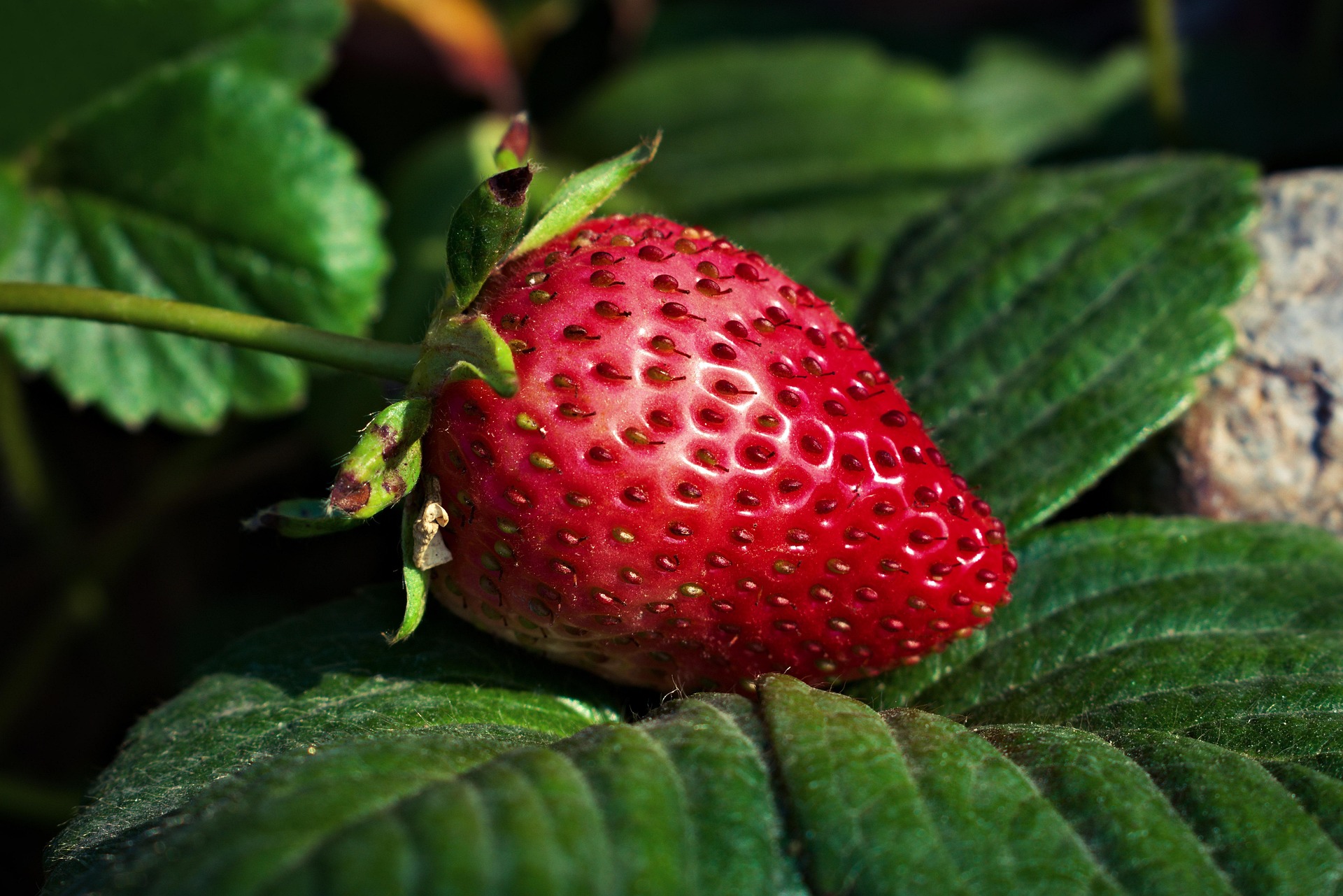
Growing strawberries in your home garden
Question: Our strawberry plants are not very productive this year. What can you tell me about growing strawberries in the Umpqua Valley?
Answer: The garden strawberry (Fragaria × ananassa) is a hybrid plant cultivated worldwide for its fruit. The genus Fragaria is in the rose family, Rosaceae.
The history of the strawberry plant is interesting. Wild strawberries are indigenous to both Europe and North America. Wild berries were picked and sold in markets in Europe as far back as Roman times. Indigenous people of North America utilized wild strawberries in a variety of ways, including as a food source, for medicinal purposes, and as part of their cultural and spiritual practices. They were eaten fresh, dried, or cooked into various dishes, and the leaves and roots were used medicinally. French gardeners were among the first to transplant wild strawberries into their gardens. Later in the 19th century the first step to our present day big-fruited strawberry varieties resulted from a cross of a Virginia wild variety and an imported Chilean wild variety. This cross, first achieved in Brittany, France, combined the best traits of both species, resulting in larger, tastier berries. Today, strawberries are cultivated worldwide, with various cultivars developed to suit different climates and growing conditions.
There are three types of strawberries to choose from. June bearers produce only one crop per year in June or July. Popular cultivars include Hood, Totem, Benton and Tillamook. Next, everbearers produces two crops of berries, one in June and the other in the fall. Recommended cultivars include Quinault and Fort Laramie. My favorite, day-neutrals, produce fruit continuously throughout the growing season. Suggested cultivars include Tristar, Seascape, Albion, and Evie-2.
Selecting a site for your strawberry bed is important for good production. Strawberries require direct, full sunlight. The best soil is a light, rich loam with plenty of organic matter and a pH factor between 5 and 6. The site must have good drainage. Water must not be allowed to stand on a strawberry patch during the winter.
There are three systems favored for planting strawberries. The recommended system for June bearers is called a matted row where plants are set out about 15 inches apart in a row with 3 feet between the rows, then allowing daughter plants to root and fill in the row. The hill system is preferred for everbearers and day-neutrals. In this system set your plants 12 to 15 inches apart in double or triple-wide rows. The hill system can produce both high yields and large fruit, provided you diligently remove all runners that are produced before they root. Then, the plants will branch and become very productive. A third system is to construct a more permanent bed. This method is best for day-neutral plantings. The planting method is the same as for the hill system, but in this method, you would allow the runners to fill in the bed and replace the mother plants as they slow down in production. In older plantings, thin out old and weak plants. The best planting density is about 12 inches apart in all directions. By keeping the plants well-nourished and properly spaced, a vigorous, heavy-bearing strawberry patch can be maintained for many years.
Fertilize your day-neutral and everbearing strawberries in the early spring as soon as new leaves appear. Foliar sprays and compost tea can be added as often as every two weeks to boost fruit production. For June-bearing strawberries, the best time to fertilize is after the harvest and during the renovation process, which is typically around late July or early August. June-bearing cultivars should not be fertilized in spring, as this results in small, soft berries vulnerable to disease and rotting.
Strawberries need plenty of water, especially during their bearing period. After the first season, there are two critical times when good soil moisture is important. The first is from just after bloom through harvest, to ensure berries swell to maximum possible size. The other is when the plant resumes growth and forms flower buds for the following season’s crop.
Cover your strawberries with a light layer of mulch over winter to help control weeds.
You can also plant strawberries in barrels, planters, or hanging baskets. Day-neutral types are best suited for container production.
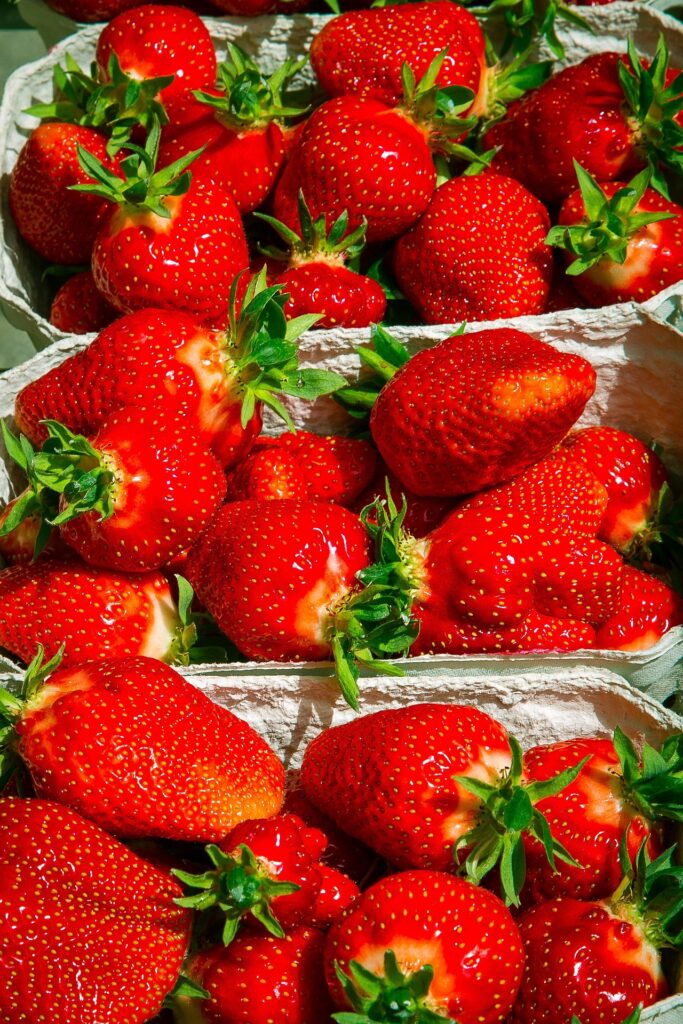
Growing strawberries in your home garden can be a fun and rewarding experience. By growing various cultivars of strawberry, you can pick ripe fruit from late spring until frost. If you care for your plants properly, you can obtain enough berries for your family from a relatively small area.
Do you have a gardening question? Please email, call, or visit the Douglas County Master Gardener Plant Clinic at douglasmg@oregonstate.edu, 541-672-4461, or 1134 S.E. Douglas Ave., Roseburg. Douglas County Master Gardeners are trained volunteers who help the OSU Extension Service serve the people of Douglas County.