
Published in the News-Review November 21, 2025
By: Janet Bitter
Question: What should I be doing in my garden to prepare it for winter?
Answer: If you are someone who reads many periodicals or pays attention to social media, you may be overwhelmed at all the advice coming at you on how to clean up your garden for winter. Since this column is coming out in late November, don’t despair if you haven’t done a lot of clean up. Being a good gardener doesn’t always mean making your garden pristine. You should do some cleanup but if you did nothing at all you could still have a nice garden next spring—and you’d be helping maintain the environment for a lot of beneficial insects and birds. Here are some points to consider if you’re wondering what to do before winter really sets in:
- Do a garden assessment. This is one of the best things you can do at the end of the growing season, especially for vegetable and flower gardens. I keep a small notebook and record what I planted in my vegetable/flower garden and if I liked the variety or not, how it performed, and any other growing notes. I don’t trust my memory anymore! I also do a little seed inventory and make a list of any seeds I need to purchase (and discard or share any seeds I don’t want to plant anymore). It is helpful to note any plants in your yard that might need to be moved in the spring—maybe a perennial has grown too large for the space you have it in, or a plant needs more or less sun exposure.
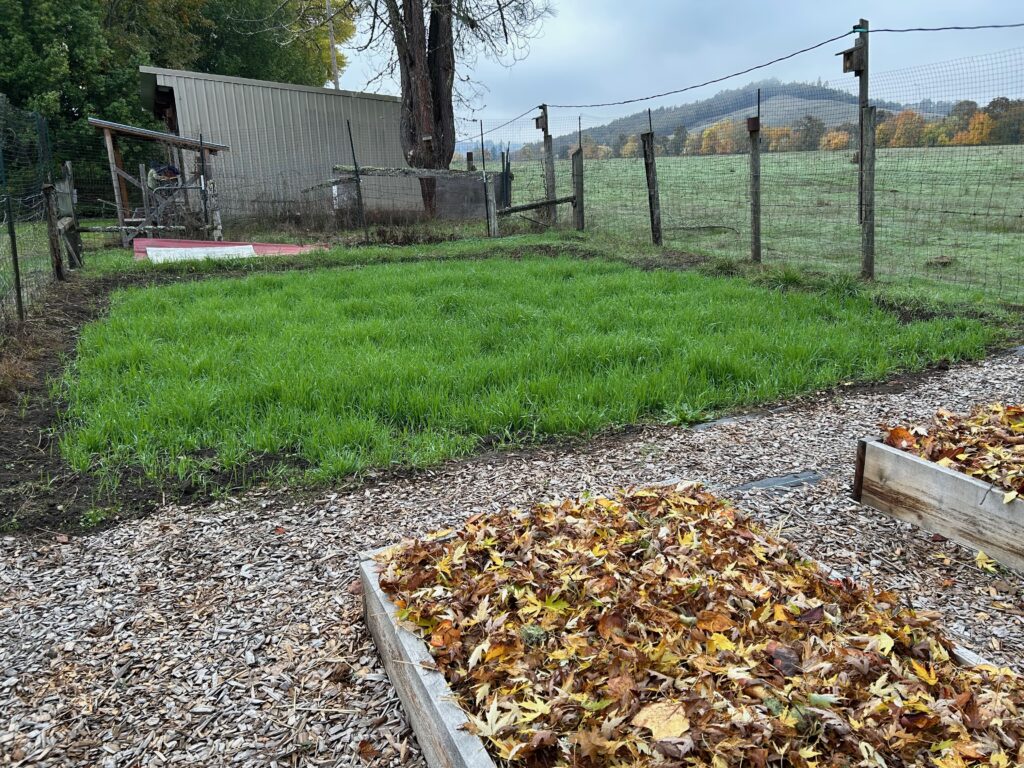
- General clean up: Get rid of weeds and any diseased plants. You will want to discard these, not compost them. You can use your fallen leaves as a mulch on your garden beds. Not only will you help minimize your weed problem when you pull the leaves off in the spring, but you are providing shelter to many beneficial insects over the winter and protecting your soil. Leaves left on top of bare soil also help prevent compaction from winter rain and snow.
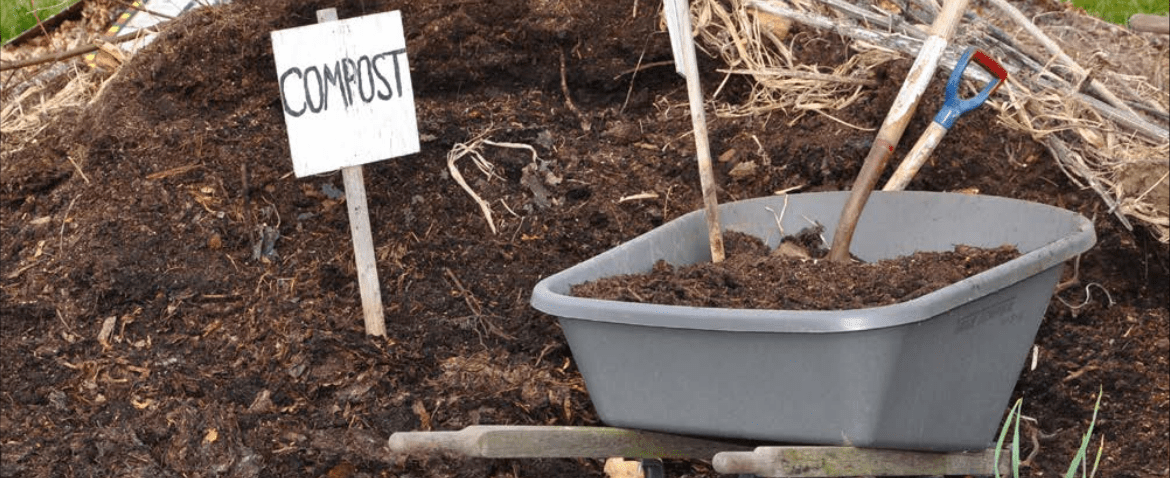
- Soil Health: If you have permanent beds or a vegetable garden, hopefully you have done a recent soil test, as fall is an ideal time for amending the soil if it needs something adjusted. It is a great time of year to spread some organic matter (aged manure, shredded leaves, compost) on your vegetable beds to allow it to break down over the winter while also suppressing weeds. You should put 2-3” of compost material on top of your planting areas and then follow it with a mulch of leaves 1-2”. Depending on whether you follow no-till practices, you can incorporate the compost lightly at the surface. Alternatively, a cover crop can be used (I am not going to go into that in this article, but this would be best planted earlier in the fall)
- Pruning: Do not prune just because you think you must! You should cut out dead or diseased plant material at any time of the year, but before you grab those pruning shears or loppers to attack your whole yard, check some reliable references (or call the DC Master Gardeners plant clinic) for the pruning requirements of each specific plant. Some plants do best with no pruning—don’t be a wild hacker!
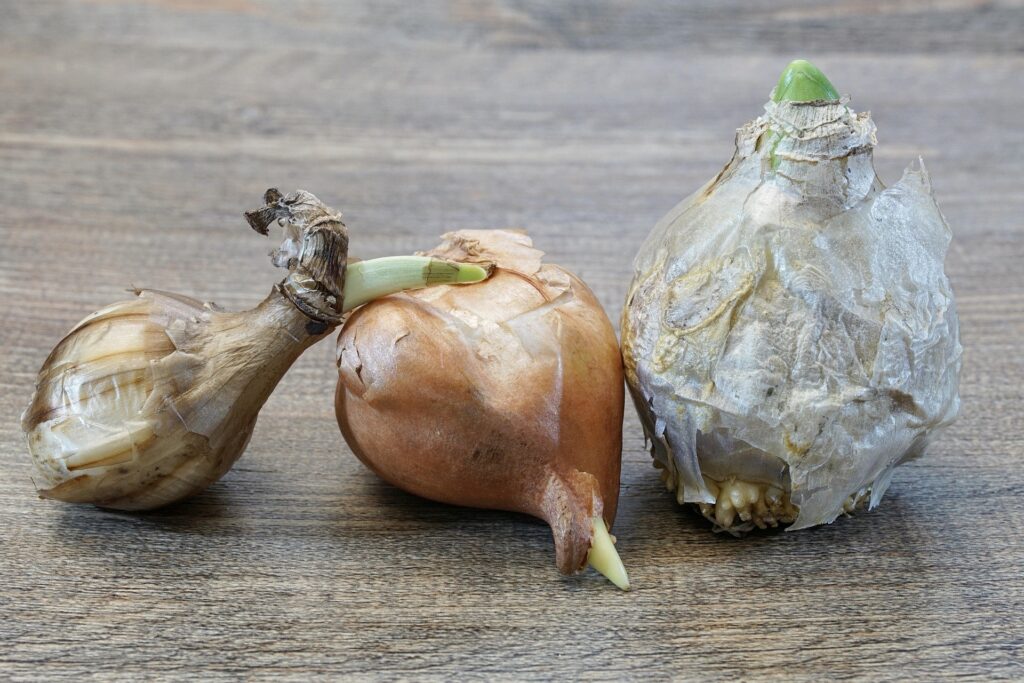
- Spring Bulbs: Make sure if you purchased any bulbs for fall planting, you actually plant them. Yes. Now.
Researchers studying some of the garden practices we’ve followed in the past are increasingly recommending we leave some of our gardens a little wild. Many beneficial insects nest in pithy stems or piles of leaves. If we prune everything now and we pick up all the leaves, we have eliminated the needed winter shelter for these creatures. Additionally, many birds appreciate some seed heads from spent flowers to eat over the winter.
I hope I’ve convinced you that you don’t need to feel overly guilty if your garden isn’t one of those pristine “not a leaf in sight and everything pruned to the ground” landscapes you may see. Instead, you should feel great that you’ve done basic cleanup and are leaving some of your yard a little wild for our birds and insects. Happy (guilt-free!) gardening!
Do you have a gardening or insect question? Contact the Douglas County Master Gardeners at douglasmg@oregonstate.edu or 541-672-4461 or visit 1134 SE Douglas Ave., Roseburg. Douglas County Master Gardeners are trained volunteers who help the OSU Extension Service serve the people of Douglas County.